22 Christmas Markets in 9 Days: A Bavaria and Austria Christmas Market Trip with My Travel Besties












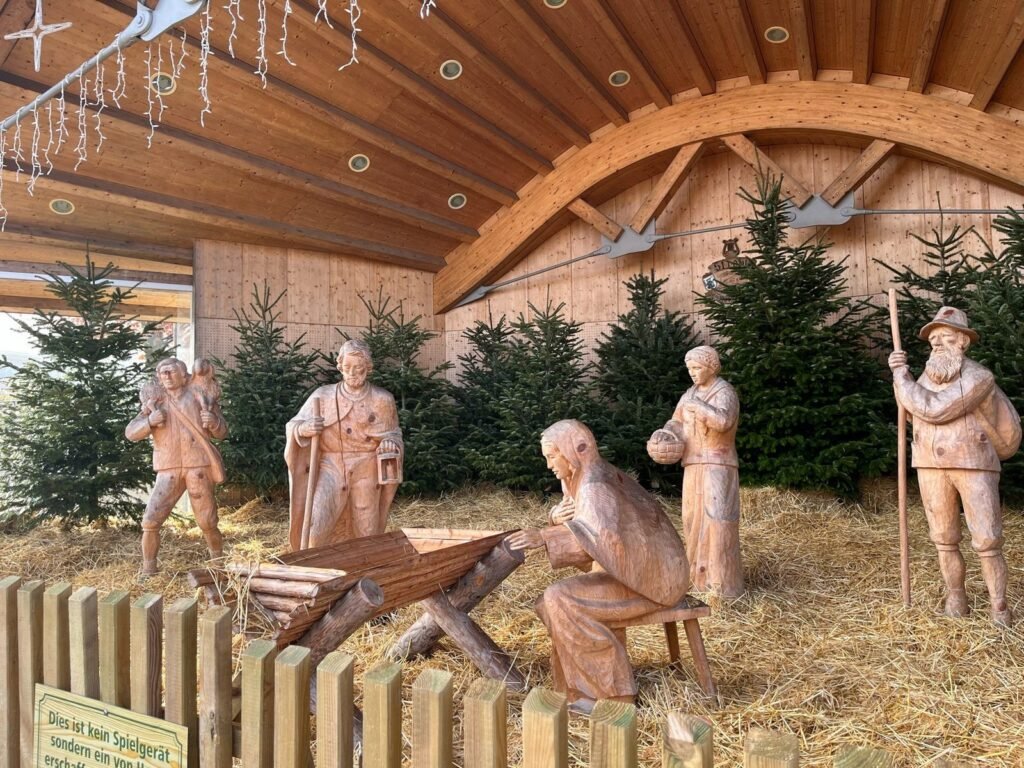


22 Christmas markets in 9 days across Munich, Salzburg, Vienna and Lake Wolfgang, plus real tips on crowds, layers, trains and bringing your mugs home safely.
There is a little voice in my head that says, every single December, “One of these years we should do the European Christmas markets.” Maybe you have that voice too.
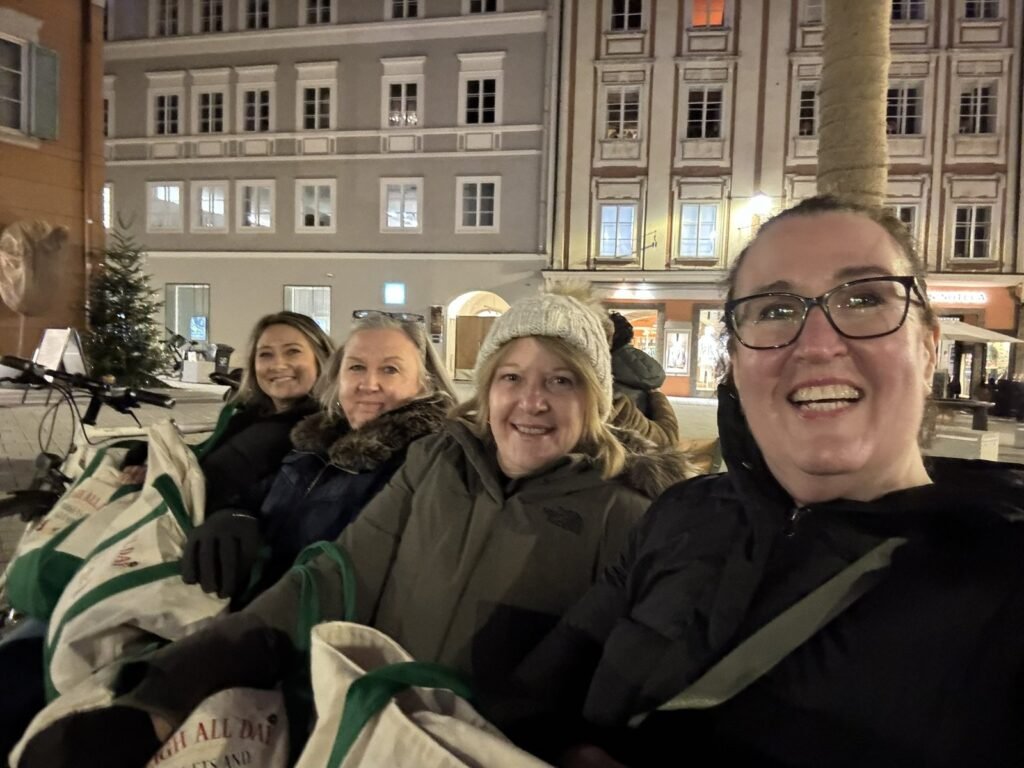
Last December, my travel besties Ann, Libby, Dara and I finally stopped saying “one of these years.” Here is the thing I keep coming back to in this middle chapter of life: we will never be as young as we are today. Not next year, not at retirement. Today. So we booked the flights, packed an empty suitcase (more on that later, trust me), and spent nine magical days eating, sipping and shopping our way through Bavaria and Austria.
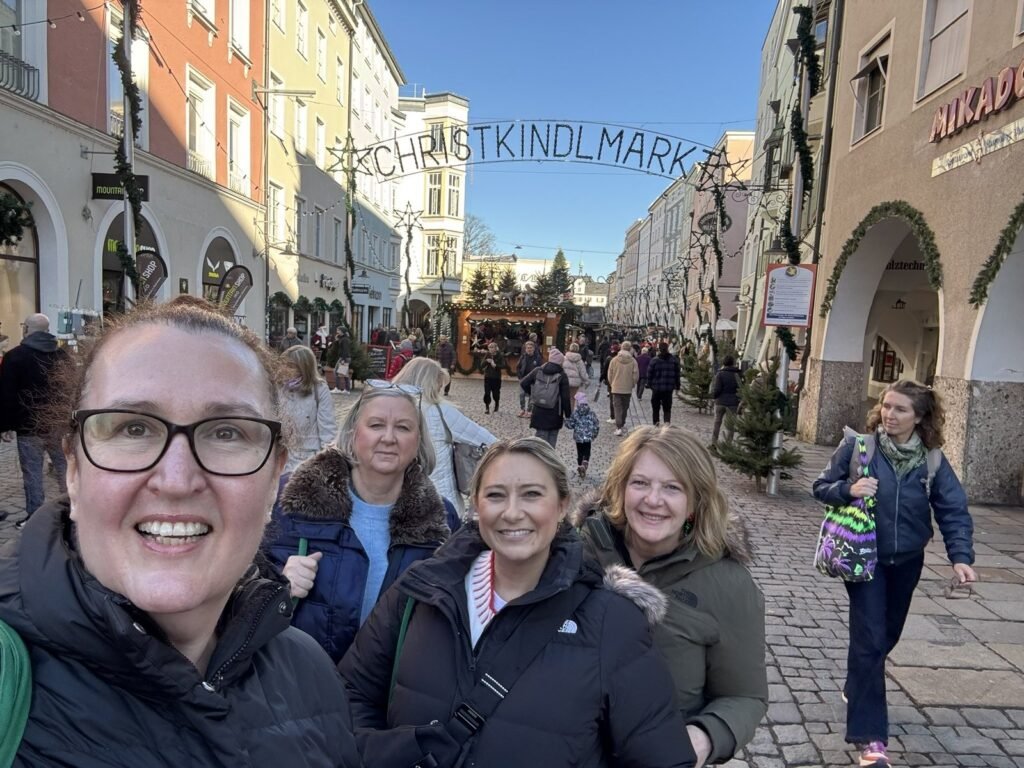
In total we visited 22 Christmas markets in 7 cities and towns, and we had an absolute ball. I have been in the travel industry for 35+ years, and I travel with my daughters, my husband, my friends, and occasionally all by myself. This trip, with my girlfriends, landed right at the top of my list. Here is exactly what we did, what we loved, what surprised us, and what I would tell you over a cup of glühwein if we were sitting together.
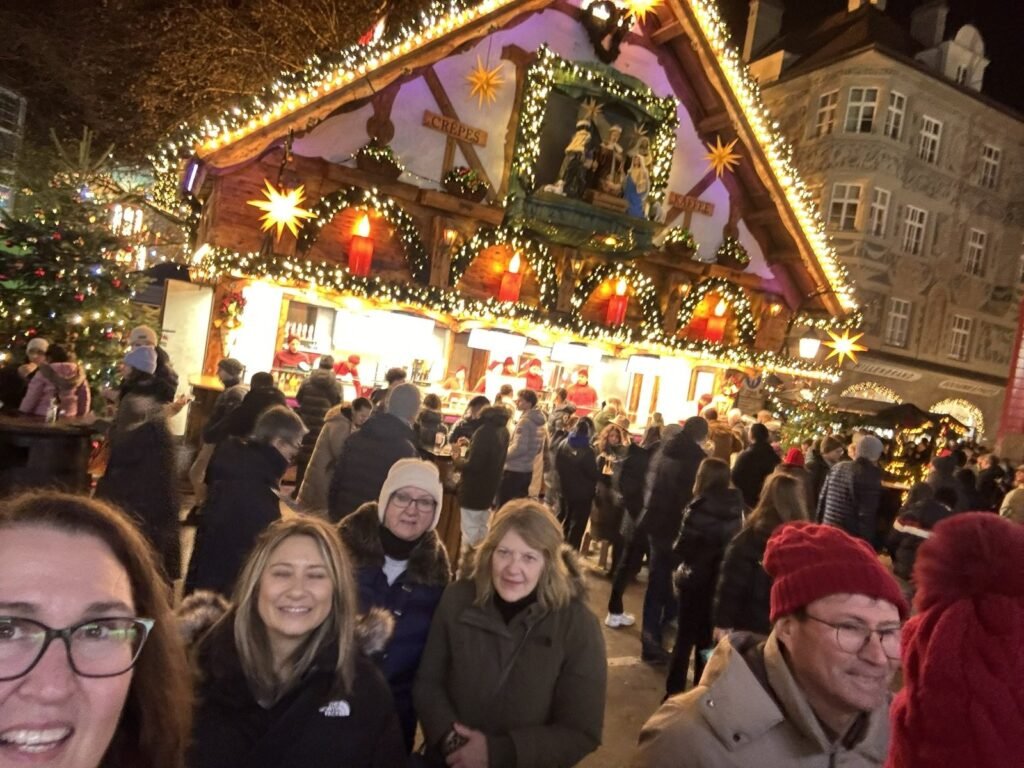
We landed in Munich around noon on Saturday, picked up our rental car, checked in, and did what any reasonable women who had just flown overnight would do. We went straight out to the markets.
On arrival day we hit four of them:
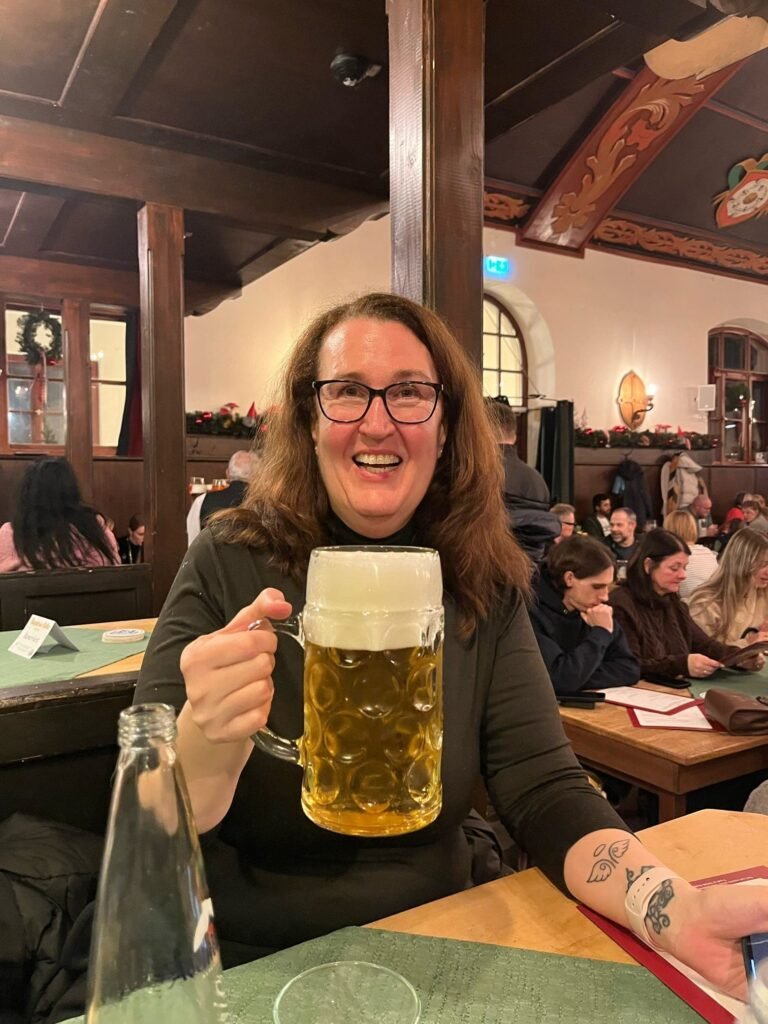
Then we had dinner at Augustiner Keller, which was the perfect first-night Bavarian welcome.
Augustiner Keller is a classic, and I definitely recommend making a reservation so you are not stuck with a long wait after a travel day.
Our first full day was all about glühwein, food and shopping. Tons of it. We went to five more markets around the city:
It rained, but we were dressed for it. It was very “people-y,” but we made the best of it and saw so many sights. Badass, if I do say so myself.
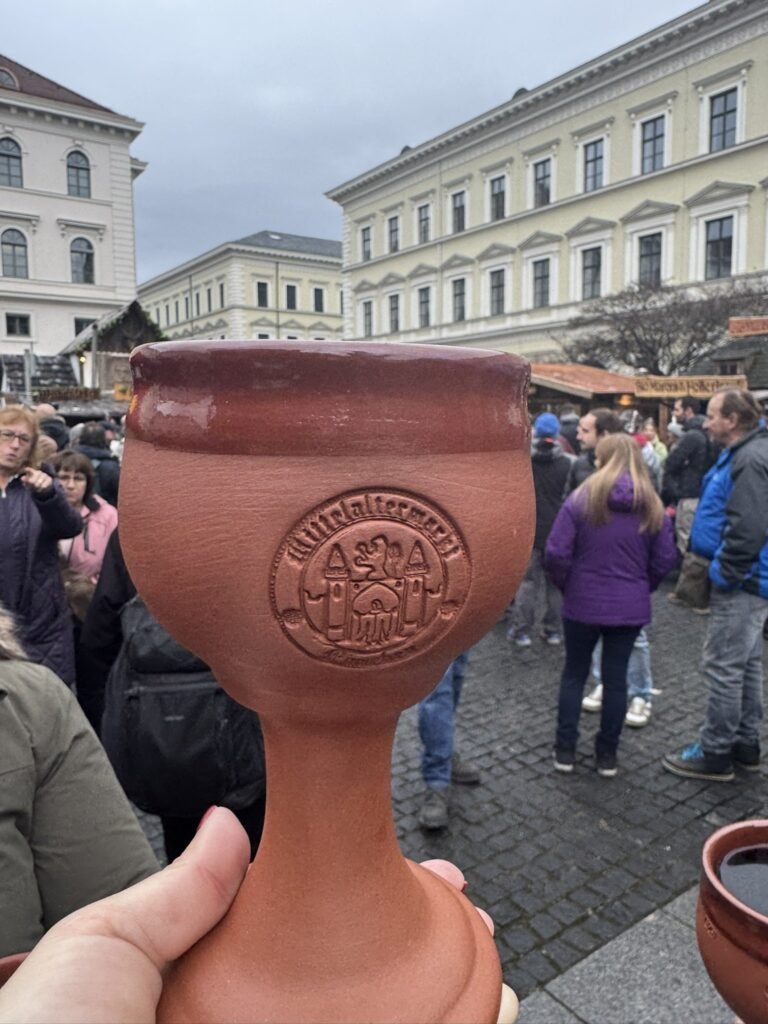
The medieval market at Wittelsbacherplatz was a total standout. They serve the glühwein in a clay chalice, and honestly, it was the most fun and most delicious glühwein of the whole trip. Something about drinking hot spiced wine out of a goblet in a medieval market just makes you feel like royalty.
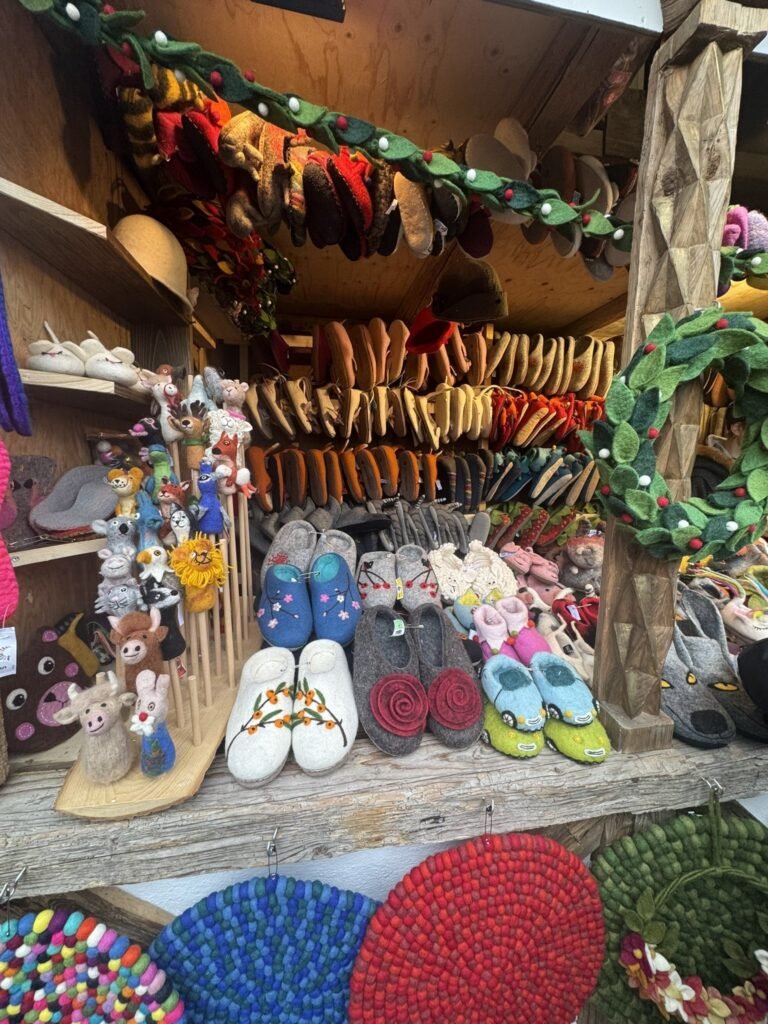
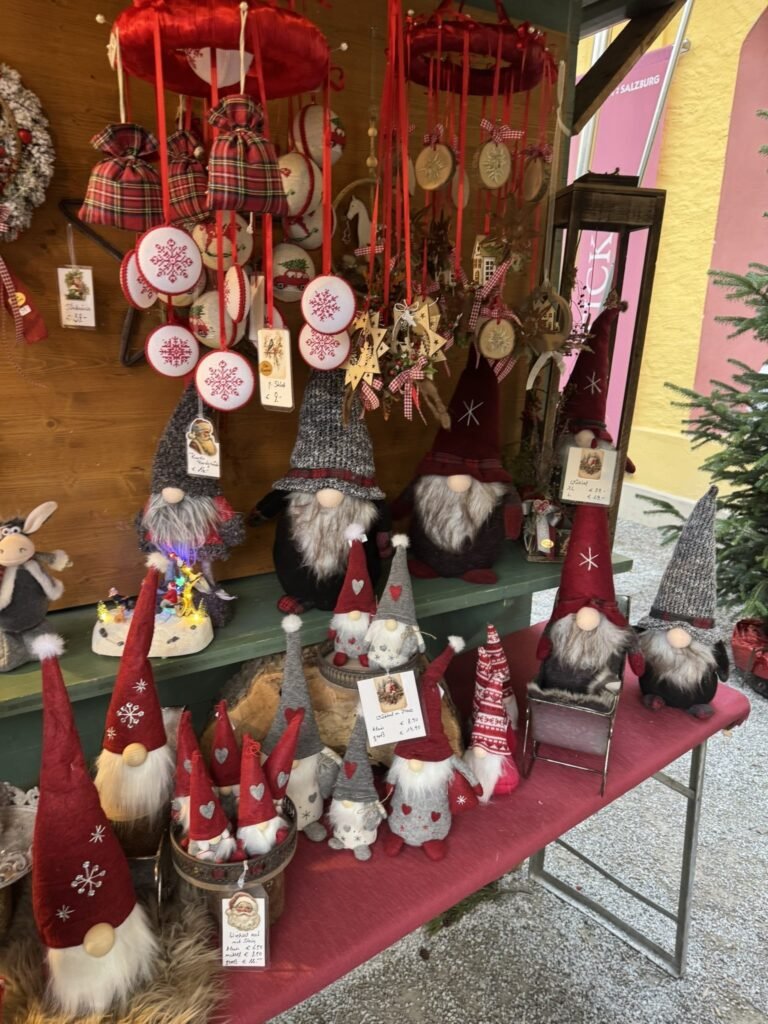
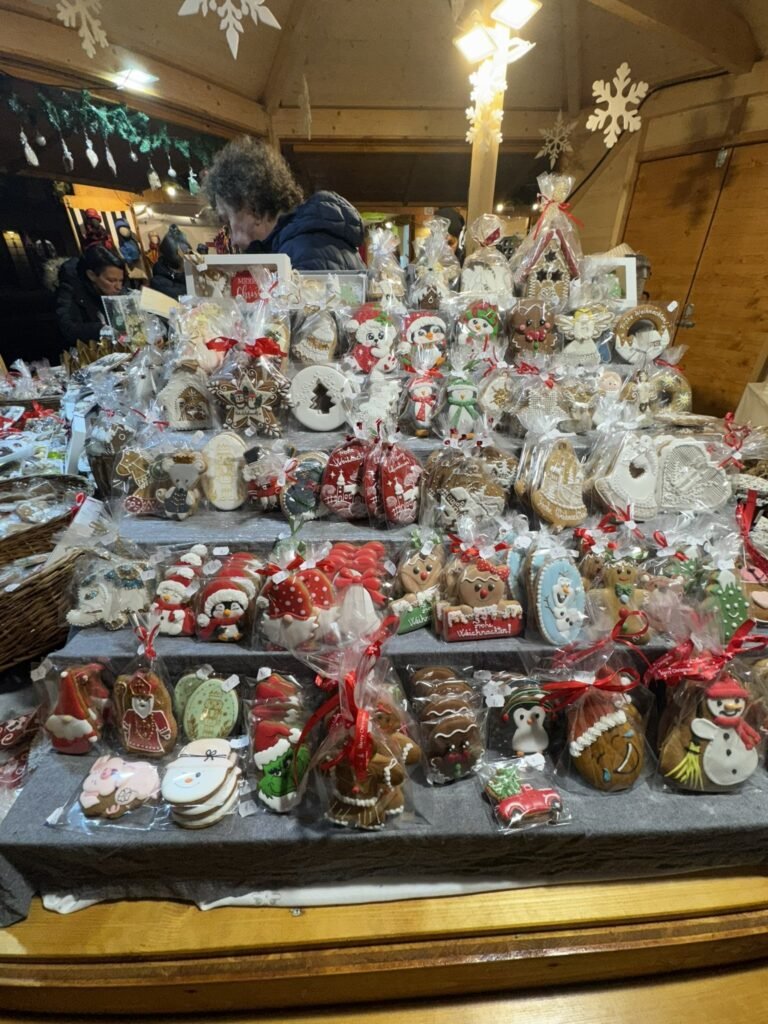
The ornament stalls were dangerous for my suitcase. Between Munich and the smaller towns, we filled a whole corner of our extra bag with glass, wood and glitter.
We stayed at the Courtyard Munich City Center for four nights, and it made a great base for exploring the city markets and for day trips by car. Breakfast was included with our stay, which made those early starts so much easier. The buffet breakfast was great, and the hotel is close to Marienplatz and Old Town Munich. We had two rooms next to each other, each with two beds. It was clean, and the location was fantastic.
Where we stayed: Courtyard Munich City Center for four nights. Breakfast was included, and the location worked great for markets and day trips by car.
Other Munich options I would look at (near Marienplatz and Old Town):
Before we went back to twinkle lights, we spent the morning at the Dachau Concentration Camp Memorial Site. I will keep this short, because it deserves its own space, but I didn’t take any pictures, and honestly, there are no words. If you are in the Munich area, I recommend making time for this visit. It is deeply emotional and not for the faint of heart, but it is an important place to stand and remember. Admission is free (parking is about 3 euros), and it is open daily from 9 am to 5 pm, closed December 24. Plan on about 2.5 to 3 hours.
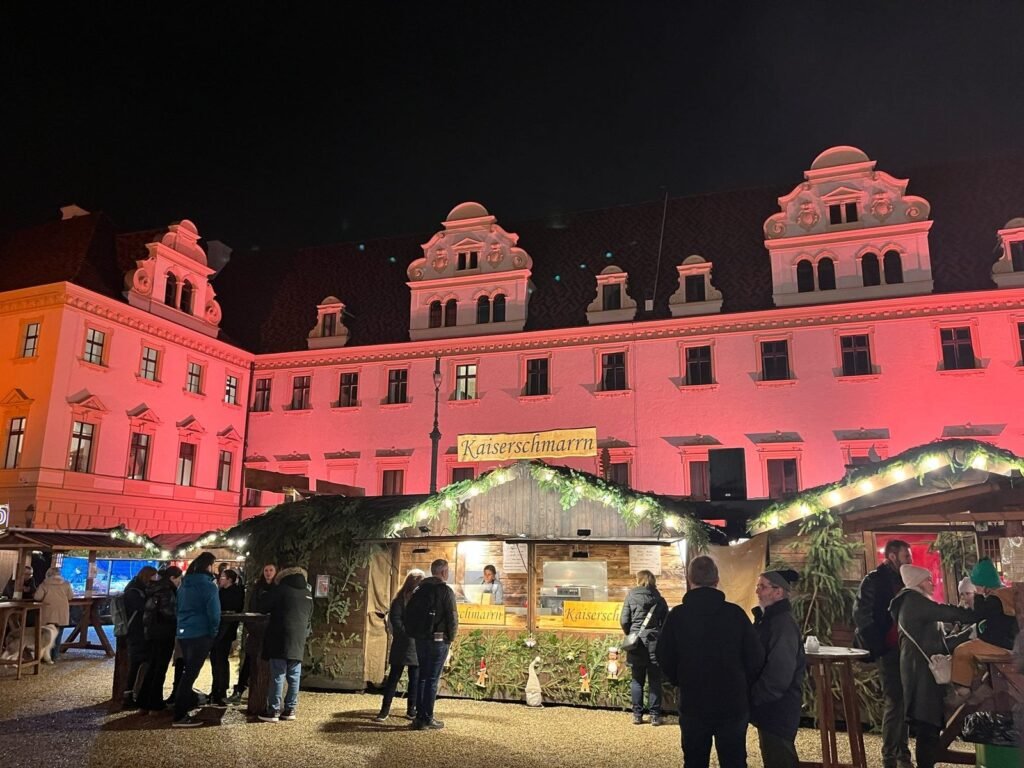
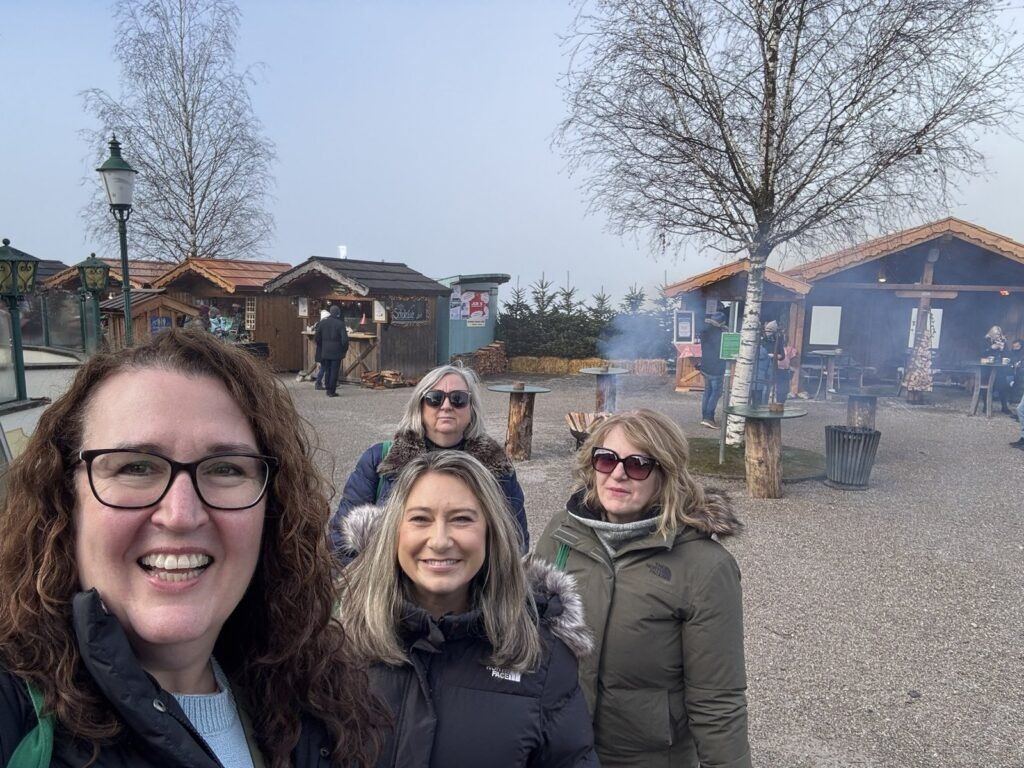
In the afternoon, we drove to Regensburg for the Romantischer Weihnachtsmarkt at Schloss Thurn und Taxis, and it was stunning. The market is set on the grounds of a beautiful castle, with stalls, food, glühwein and wood-burning fire pits everywhere you look. It was misty that evening, which only made it feel more magical.
The Thurn und Taxis market is ticketed and you should reserve your tickets in advance. Arrive around 3 pm so you can see the castle grounds in daylight and still be there when the lights come on. That moment is worth it.
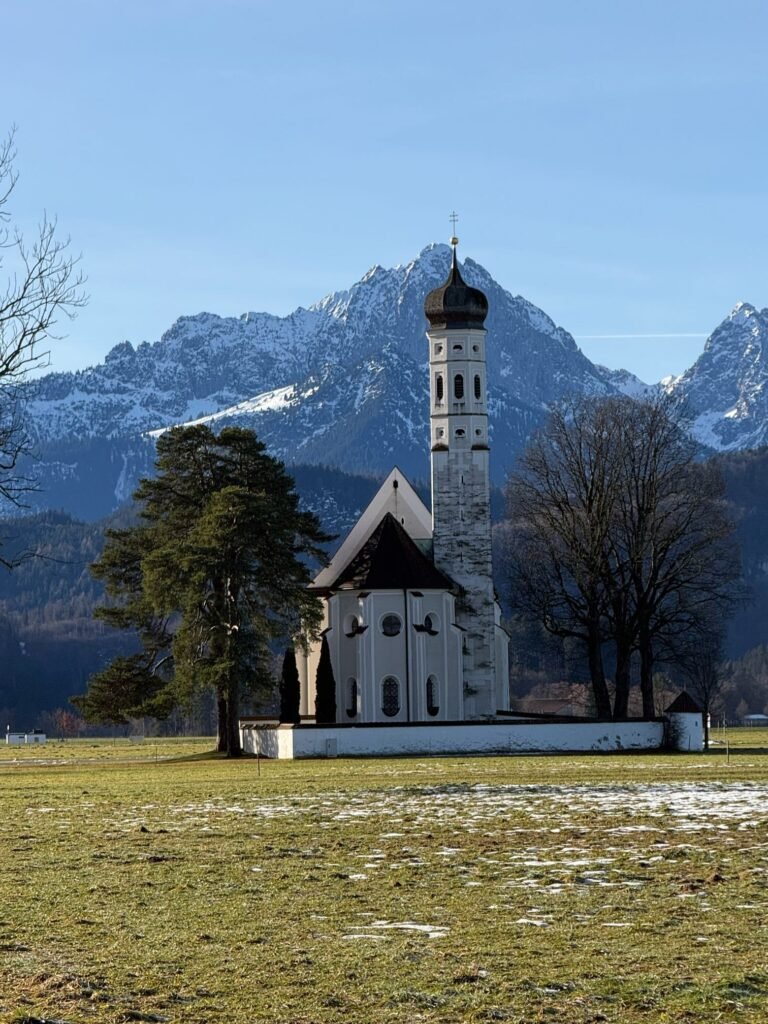
We woke up to a clear, sunny day and pointed the car toward the Alps.
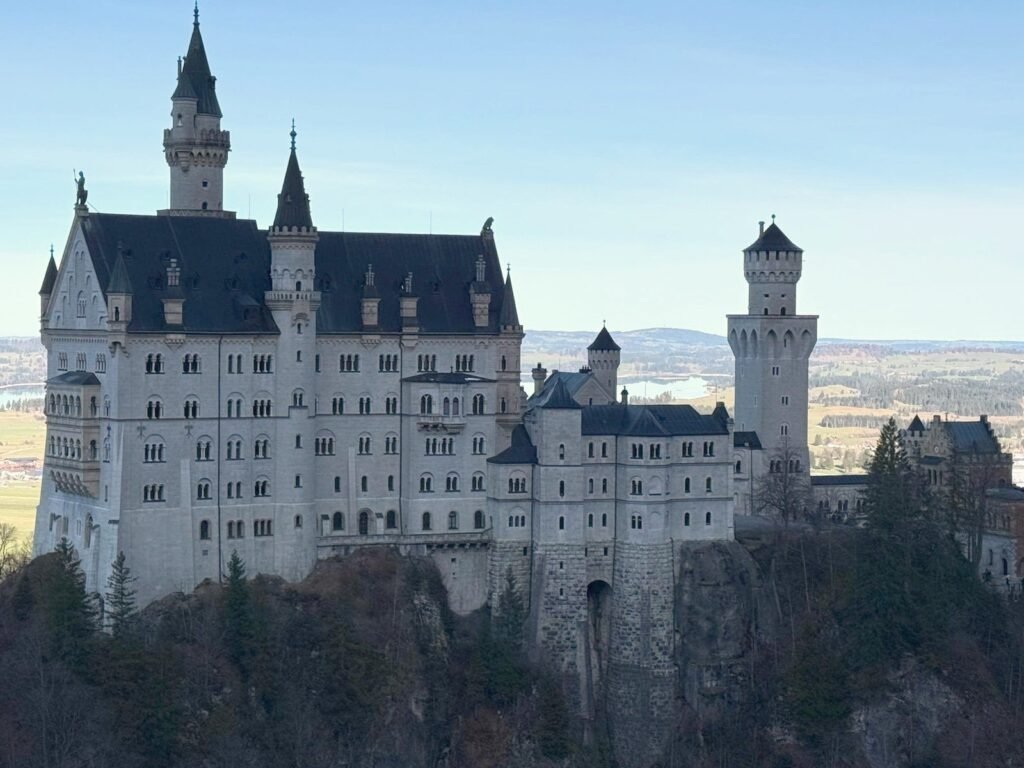
Neuschwanstein looks exactly like the fairytale you have in your head. The views of the castle and the lakes and mountains around it were incredible on a bluebird December day.
We did not go inside the castle. We walked the grounds only, and honestly, I don’t feel like we missed a thing. The outside is the showstopper.
Walking the castle grounds is free. We took the shuttle bus up the hill near the entrance and walked around for the best photo ops. The indoor guided tour is short and reviews are mixed on whether it is worth it, so if you are short on time, skip it and soak up the views like we did. In winter the shuttle (about 3.50 euros each way) runs roughly every 20 minutes from 9 am, with the last uphill bus at 3:30 pm, but only when there is no snow or ice, and Mary’s Bridge can close in icy weather. Check “Current information” on hohenschwangau.de the morning you go.
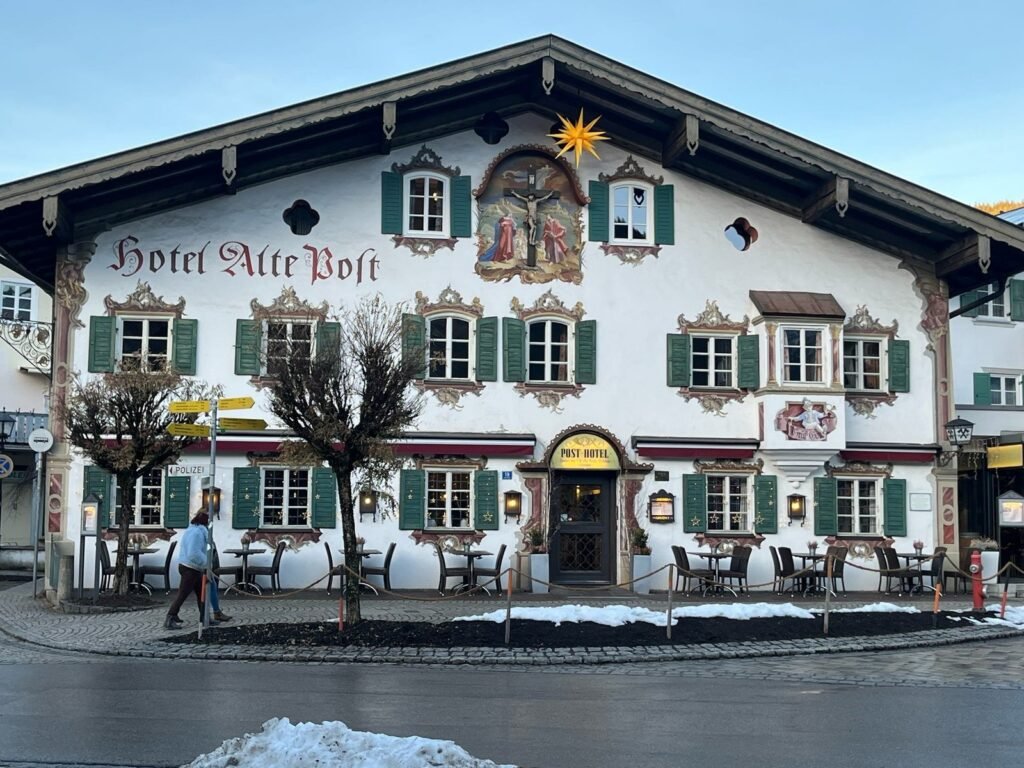
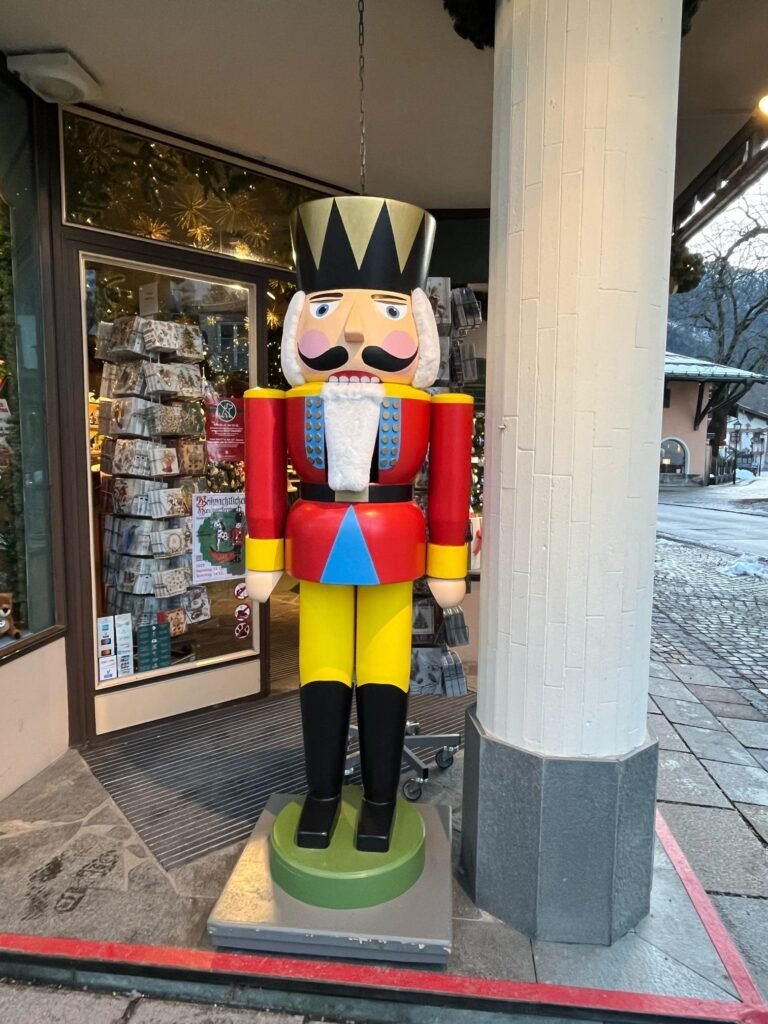
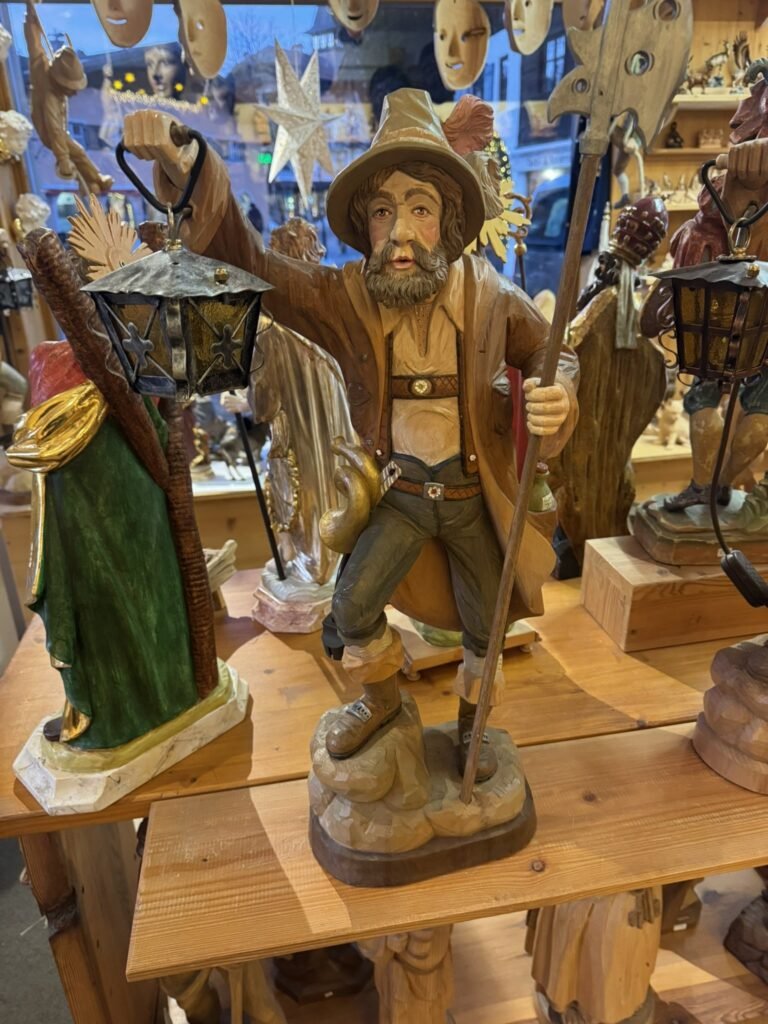
Next up was Oberammergau, a village known for its woodcarvers and for the Passion Play it holds once every decade. The houses are covered in elaborately painted facades, some of them inspired by fairytales like Hansel and Gretel. It felt like walking through a storybook, and the woodcarving shops and the famous Käthe Wohlfahrt Christmas store were dangerous for my suitcase.
We had dinner in Oberammergau (the village does not have its own Christmas market), then went hunting for a paper lighted Christmas star.
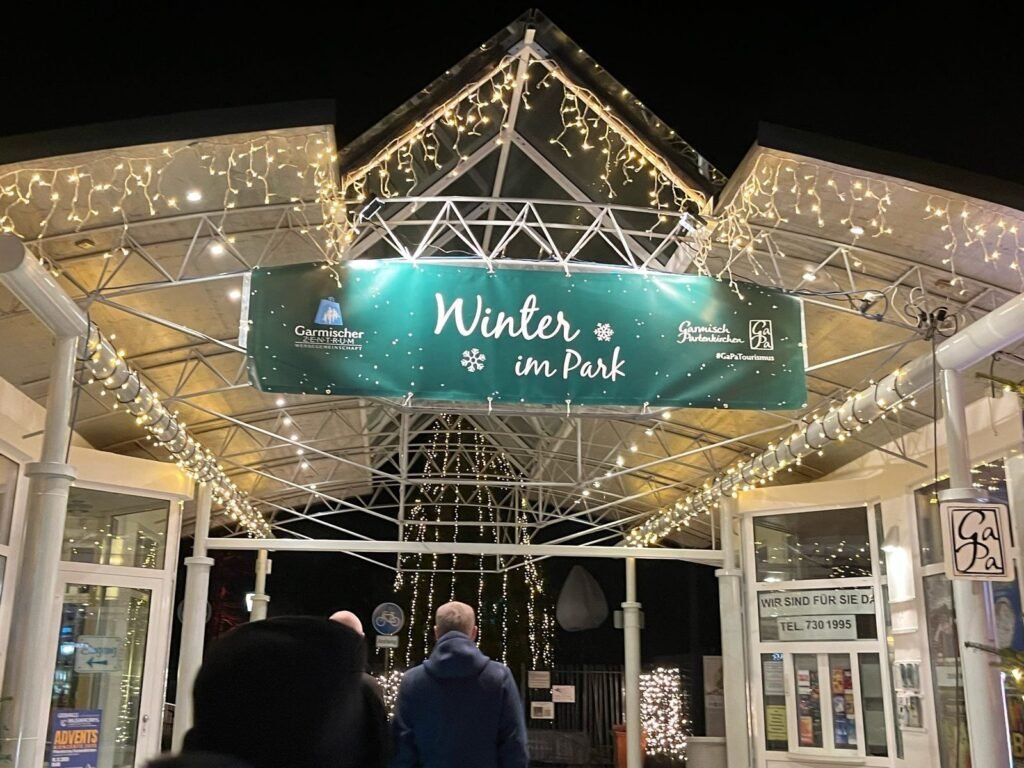
That hunt for the star took us to Garmisch. We did not find the star, but we enjoyed their festive Christmas market.
We left Munich after breakfast on another clear, sunny day (45 to 50 degrees, more layers!) and drove toward Salzburg, stopping in the sweet town of Rosenheim along the way.
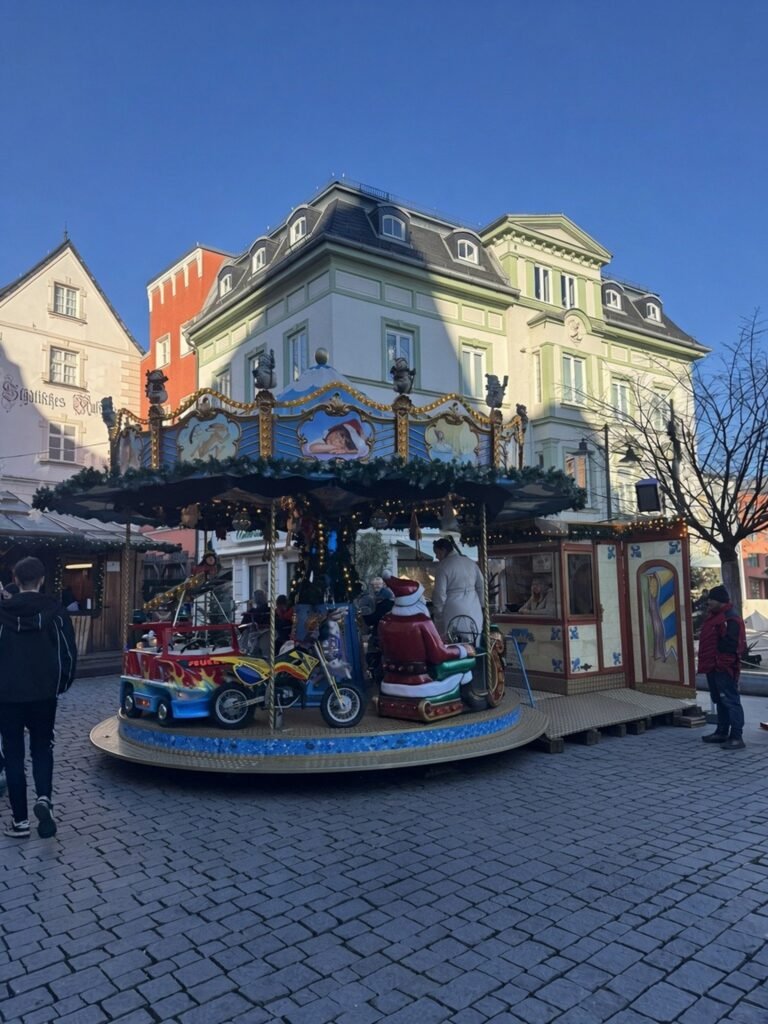
Rosenheim was one of our favorite Christmas markets. It felt primarily local, set right on the main square, with a Ferris wheel and a carousel turning in the sunshine. If you are driving between Munich and Salzburg, it is an easy and lovely stop.
After Rosenheim, we continued on to Salzburg, and we all fell in love with how incredibly charming it is. That first evening we enjoyed a very small, yet festive Christmas market at Mirabellplatz, and then went on to dinner at St. Peter Stiftskulinarium.
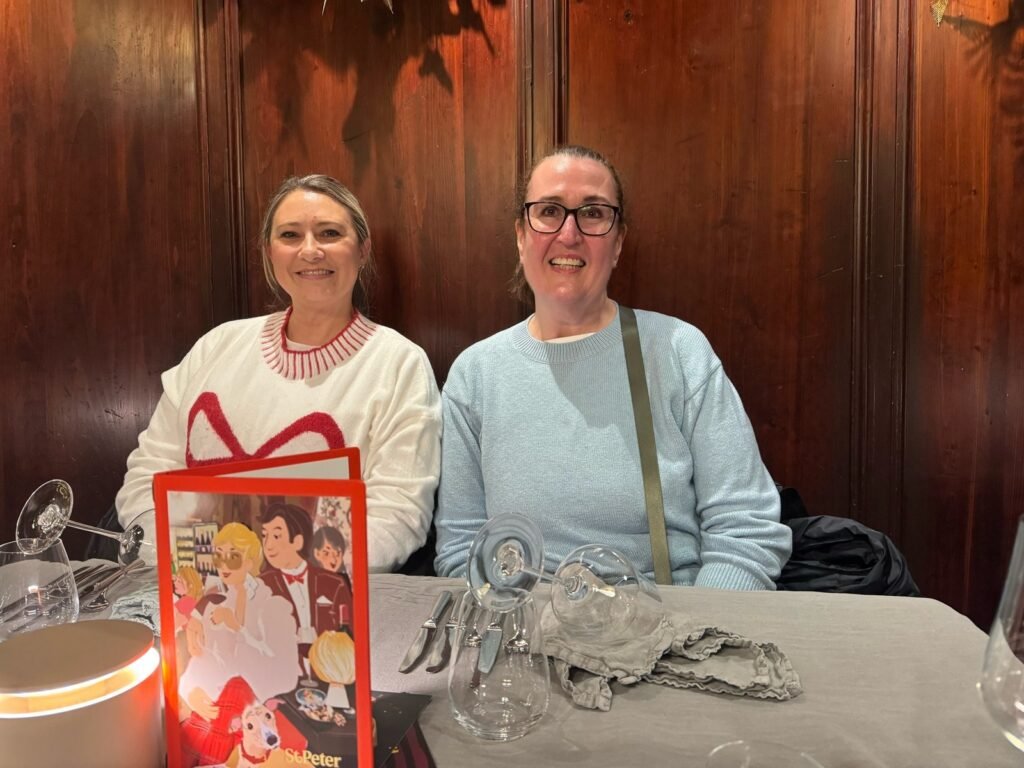
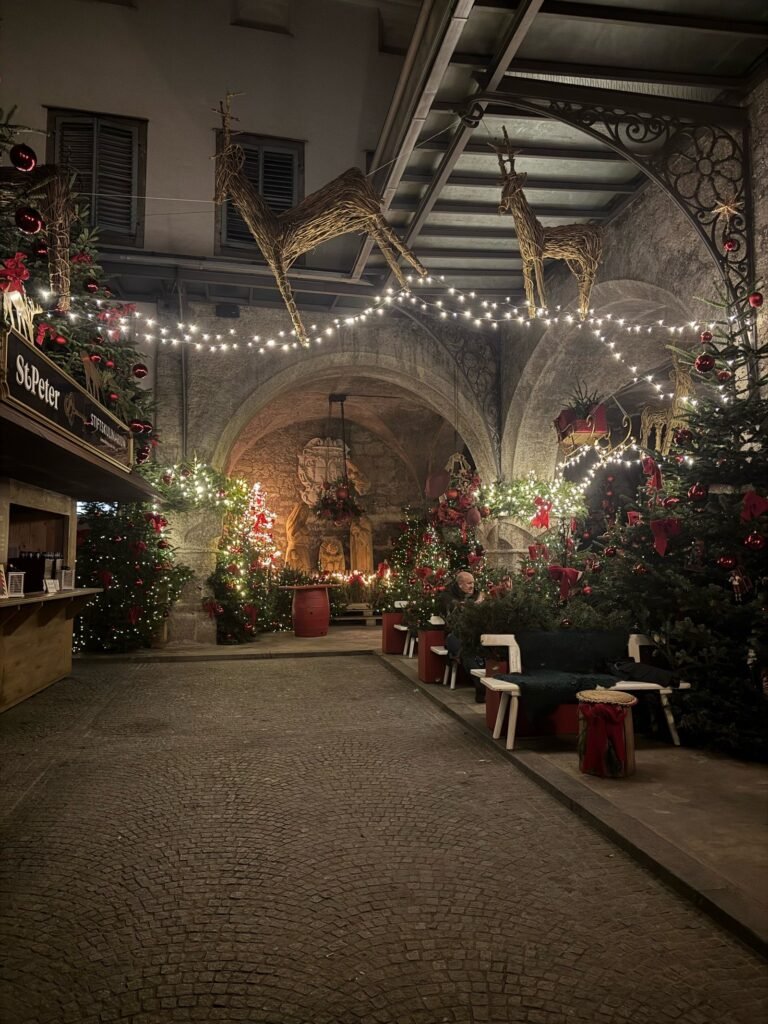
This was an absolute highlight of the trip. St. Peter sits inside the monastery complex of St. Peter’s Abbey in the heart of Salzburg’s Old Town, and it dates its history back to the year 803, when the abbey’s cellar was first mentioned in writing. It calls itself the oldest restaurant in Europe, and sitting inside those ancient walls, you believe it.
We enjoyed every bit of it: the food, the ambience, and lingering over dinner together inside walls that have seen more than a thousand years of history.
Book dinner at St. Peter well ahead if you are visiting in December. I booked about six weeks out, and I am so glad I did.
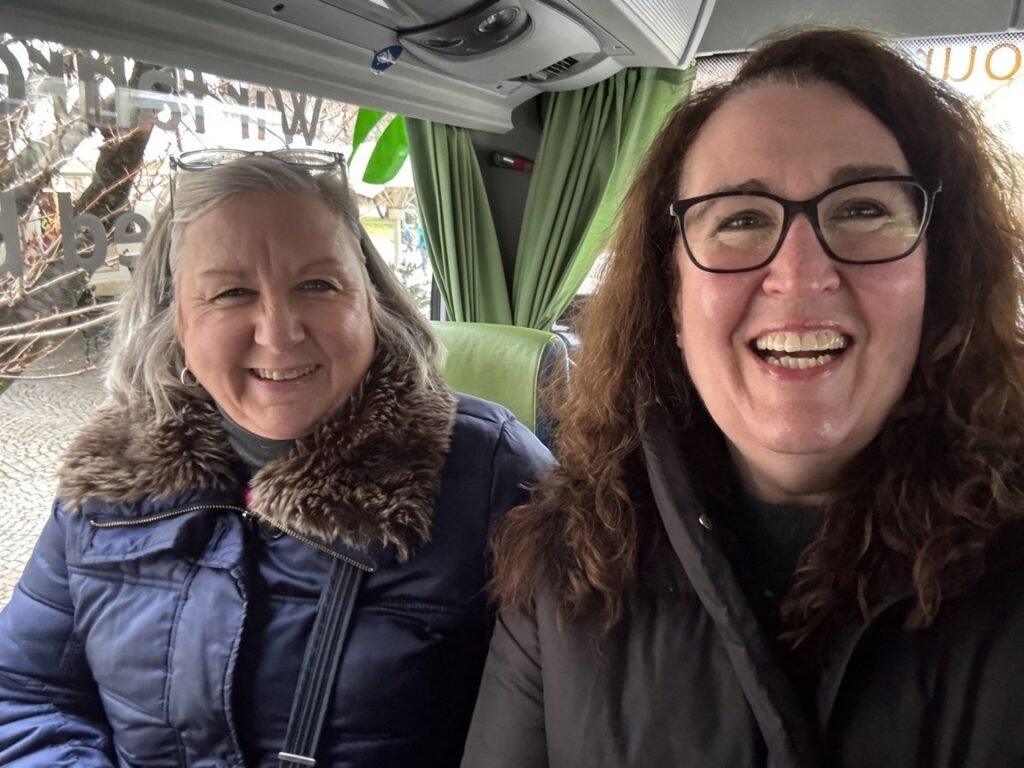
The next morning we boarded a bus for the Original Sound of Music Tour with Panorama Tours, and we did the entire thing as a SING ALONG. It was so, so fun! The tour takes you to the main filming locations in and around Salzburg, including the famous gazebo from “Sixteen Going on Seventeen,” which now sits in the gardens at Hellbrunn Palace.
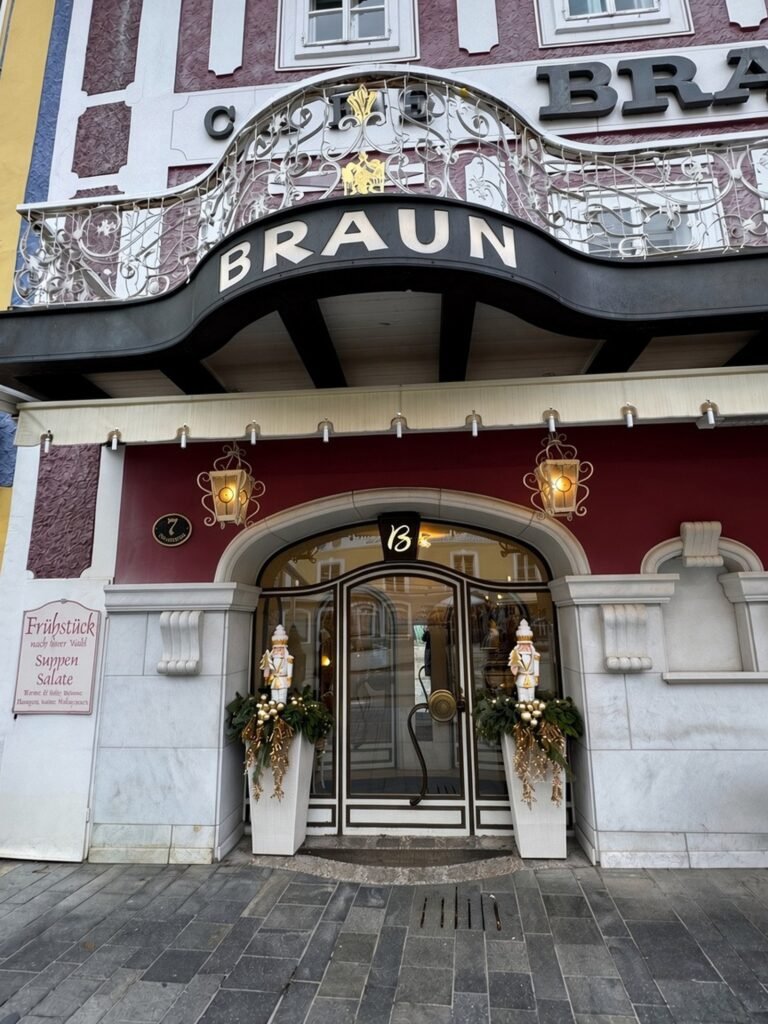
The tour also took us to the beautiful little town of Mondsee, where St. Michael’s Basilica was used for the wedding scene between Maria and Captain von Trapp. The church is said to have been founded by Benedictine monks back in the 8th century, with the building we see today completed in the 17th century. We loved Mondsee, and we loved the apple strudel at Cafe Braun even more.
We booked Panorama Tours’ 9:15 am departure, which runs about 4 hours. That left the whole afternoon and evening free for markets. Book ahead in December.
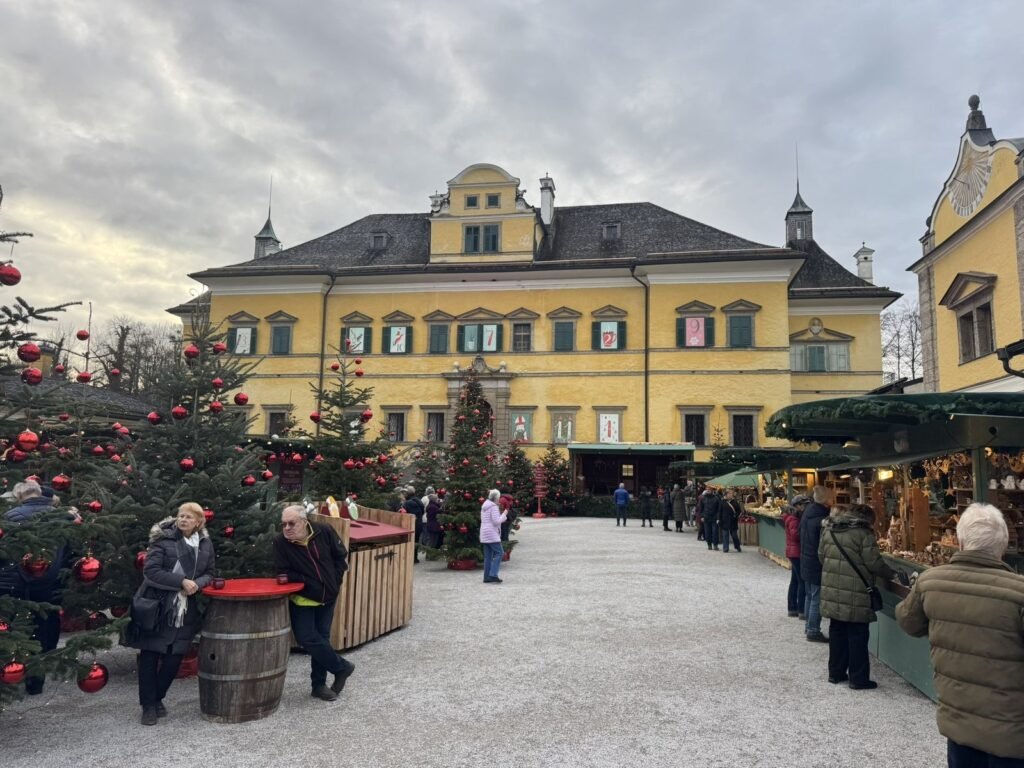
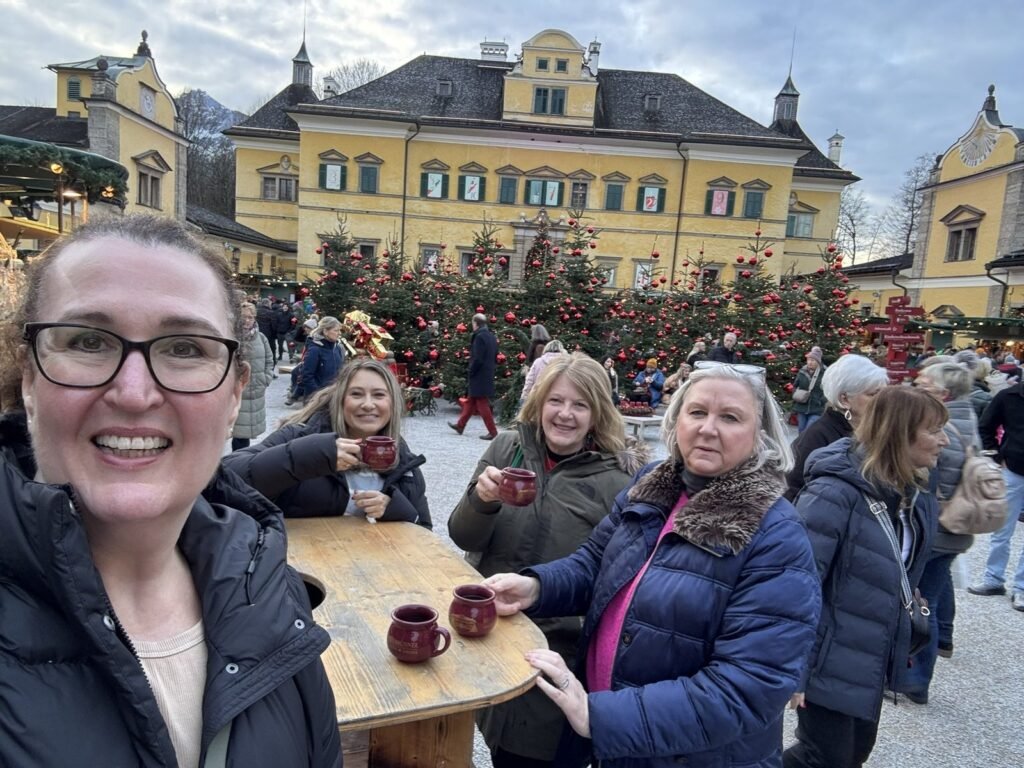
After the tour, we went to the Christmas market at Hellbrunn Palace, the same place the Sound of Music gazebo calls home. This was one of my very favorite markets of the entire trip.
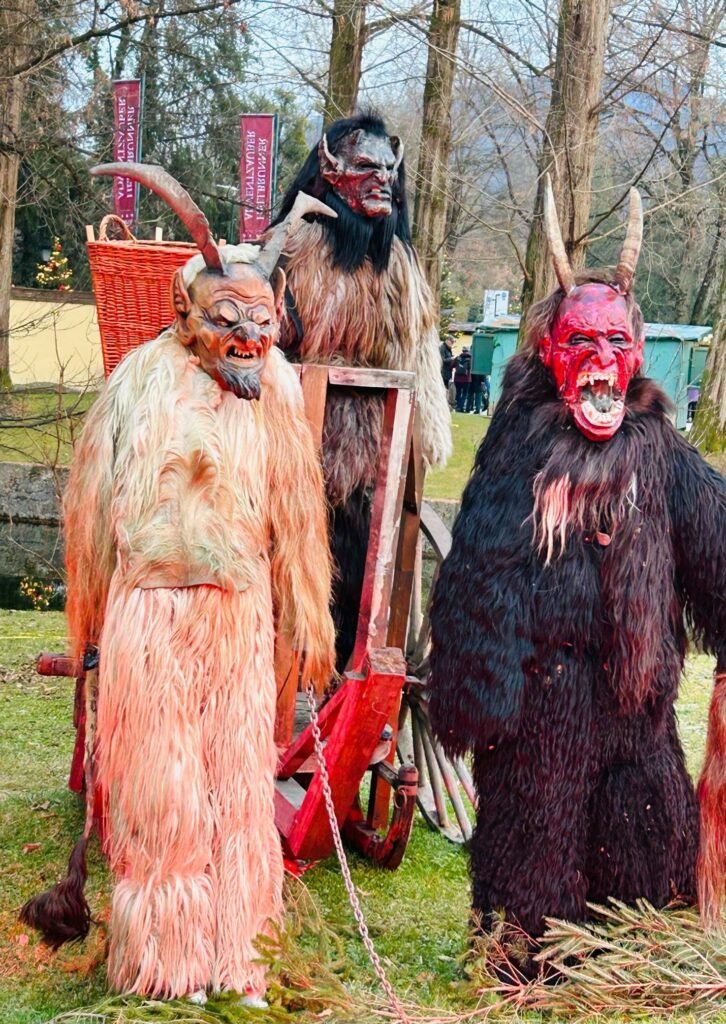
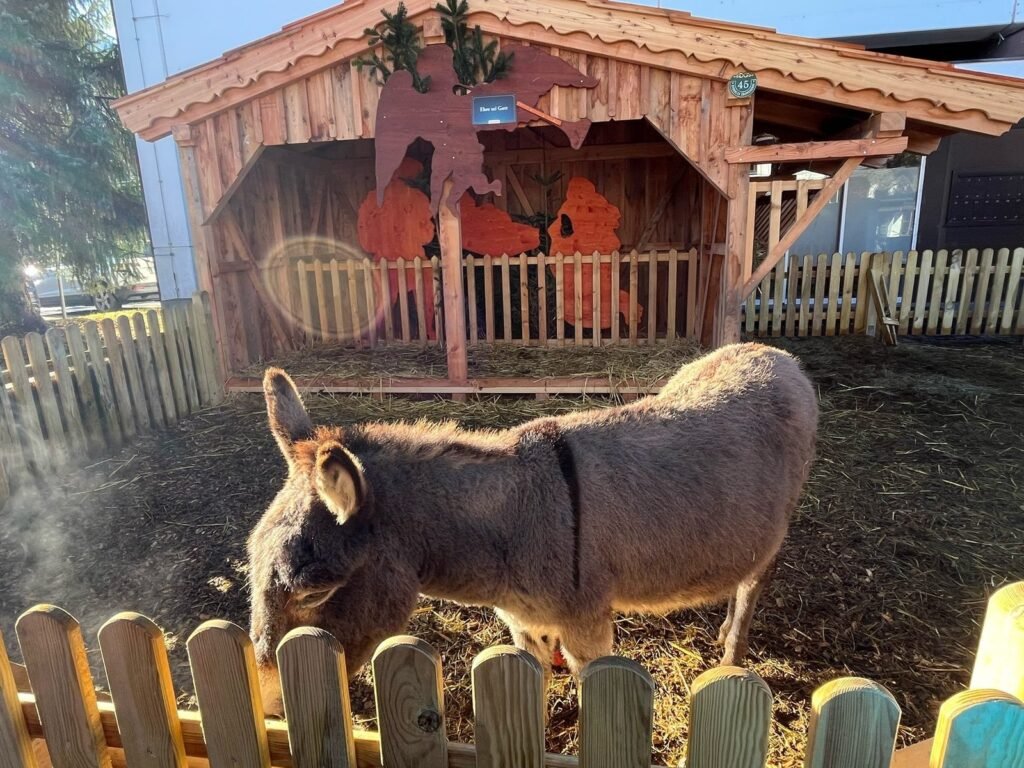
Why did it win my heart? It felt off the beaten path and far less crowded than the big city markets, which made it so much more enjoyable. We could actually wander, browse the stalls and sip our glühwein without being shoulder to shoulder. We enjoyed the glühwein, the happy children everywhere, all the stalls and the petting zoos. This is also where we had our first Krampus sightings, although only as decorations. (Phew.)
Hellbrunn’s market charges a small entrance fee. Check current prices and dates before you go.
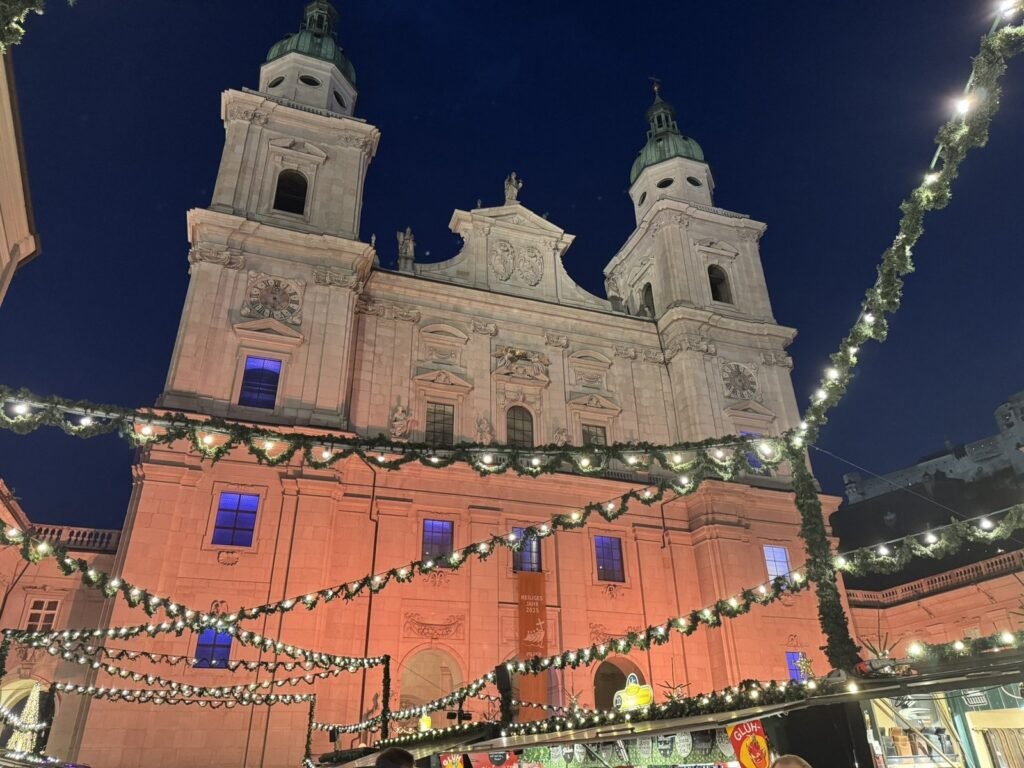
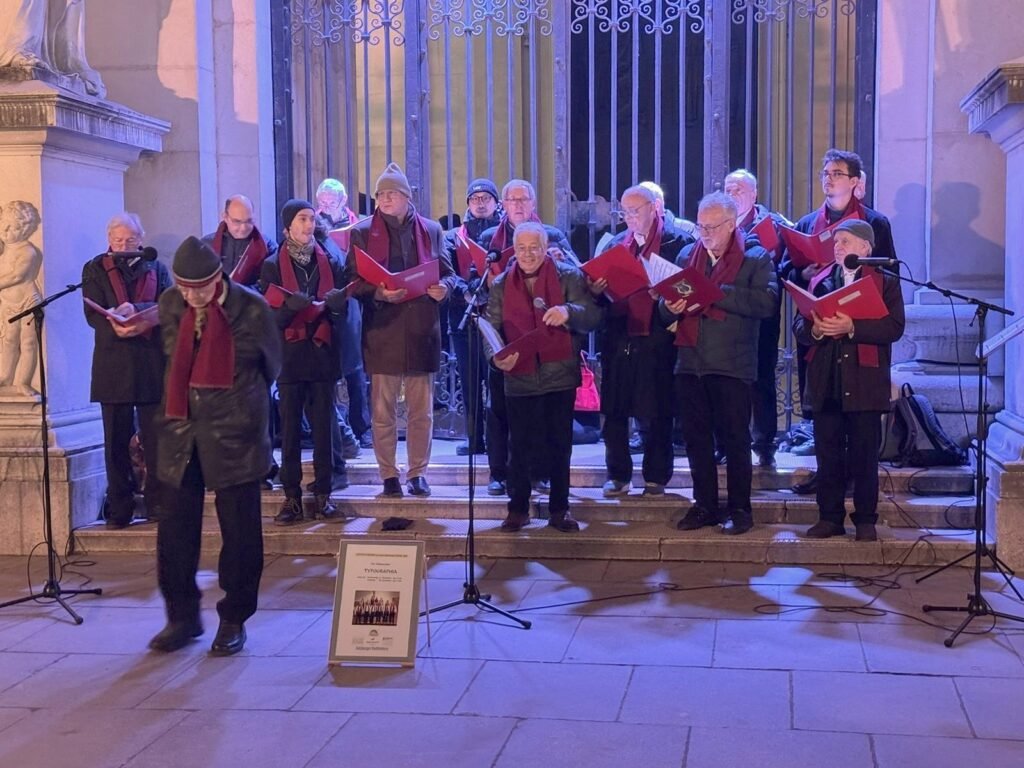
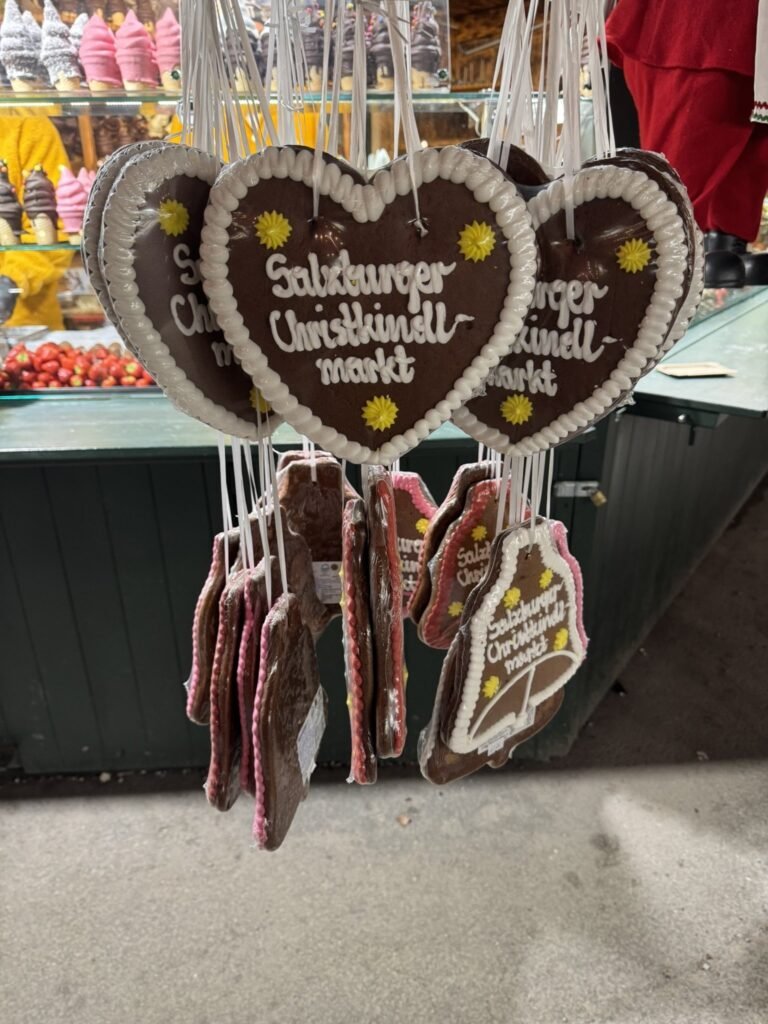
We ended the day at the main Salzburg Christmas Market, set in the square in front of Salzburg Cathedral, a site with roots going back to the 700s. It was very beautiful, all lit up at night, with a choir singing under blue lights.
We also planned on the Fortress market for sunset views over Salzburg (you take the funicular up), but it was closed when we tried. Check before you go so you are not disappointed.
Our Salzburg home base was Hotel am Mirabellplatz, right on Mirabellplatz. Bonus: the Panorama Tours bus terminal for the Sound of Music tour is on Mirabellplatz too, so getting to our tour was a breeze. The hotel staff was incredibly helpful, and the dining room manager remembered our coffee and drink orders every morning after the first. They were exceptionally kind and paid attention to every detail. They also worked extra hard to fit the four of us into adjoining rooms. We had plenty of room to spread out, and we were able to keep the door open between rooms so we were all together. That is almost impossible to find in Europe. Heads up for anyone booking now: the hotel has since been renovated and renamed IMLAUER Palais Mirabell, still right there on Mirabellplatz.
Where we stayed: IMLAUER Palais Mirabell (formerly Hotel am Mirabellplatz) on Mirabellplatz. The Panorama Tours bus for the Sound of Music tour leaves from the same square.
Other Salzburg options I would look at:
For Vienna, we left the car in Salzburg and took the ÖBB train. We left Salzburg a little after 8 am, were in Vienna near 11, and caught the late train back that night. It was a long day, but so worth it.
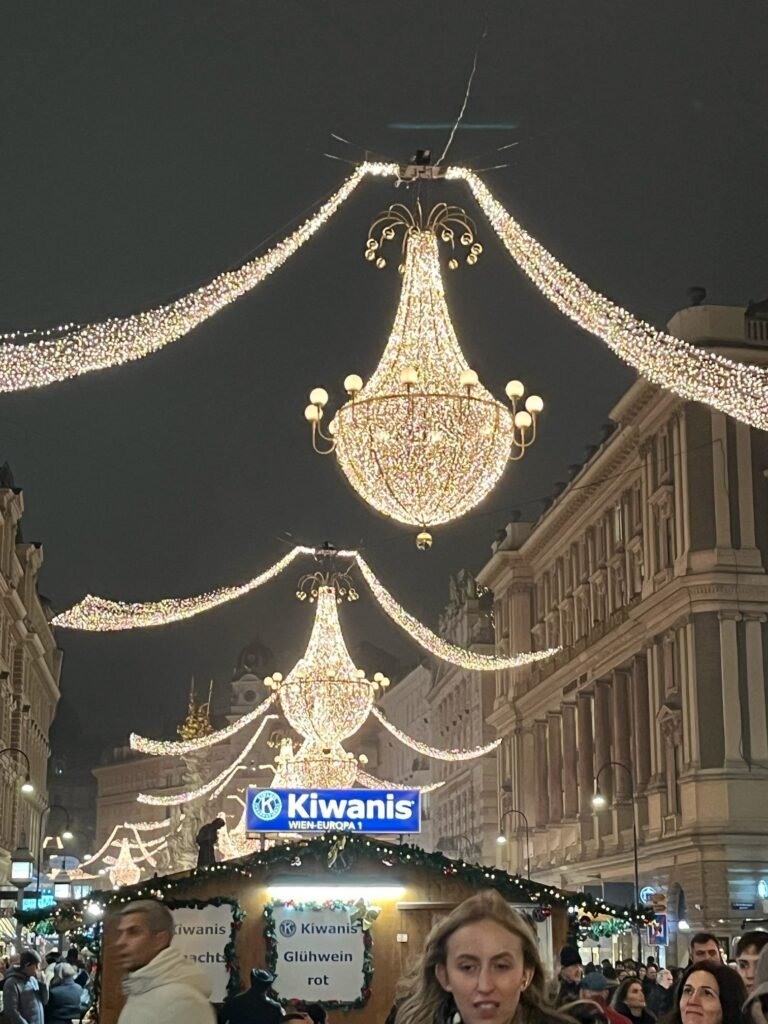
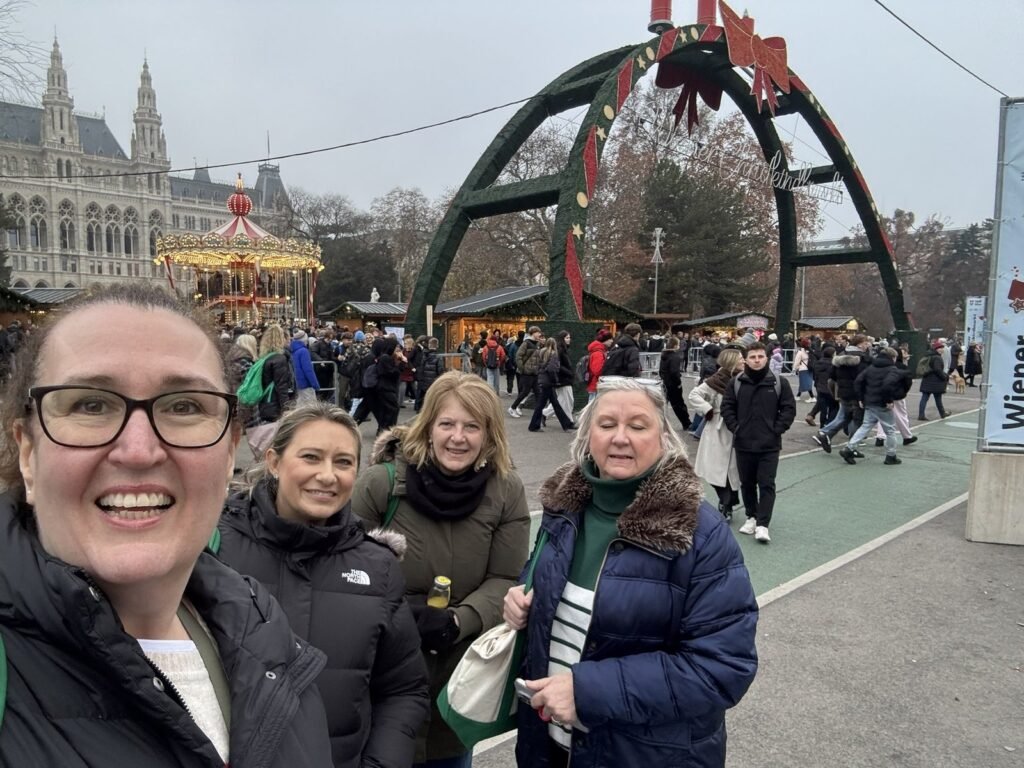
Vienna looks and feels very Parisian, and there is a reason 200 million of our closest friends were enjoying it with us. It was busy! We saw the iconic “chandeliers,” the giant strands of lights hanging over the shopping streets, and we enjoyed Vienna’s wonderful café scene.
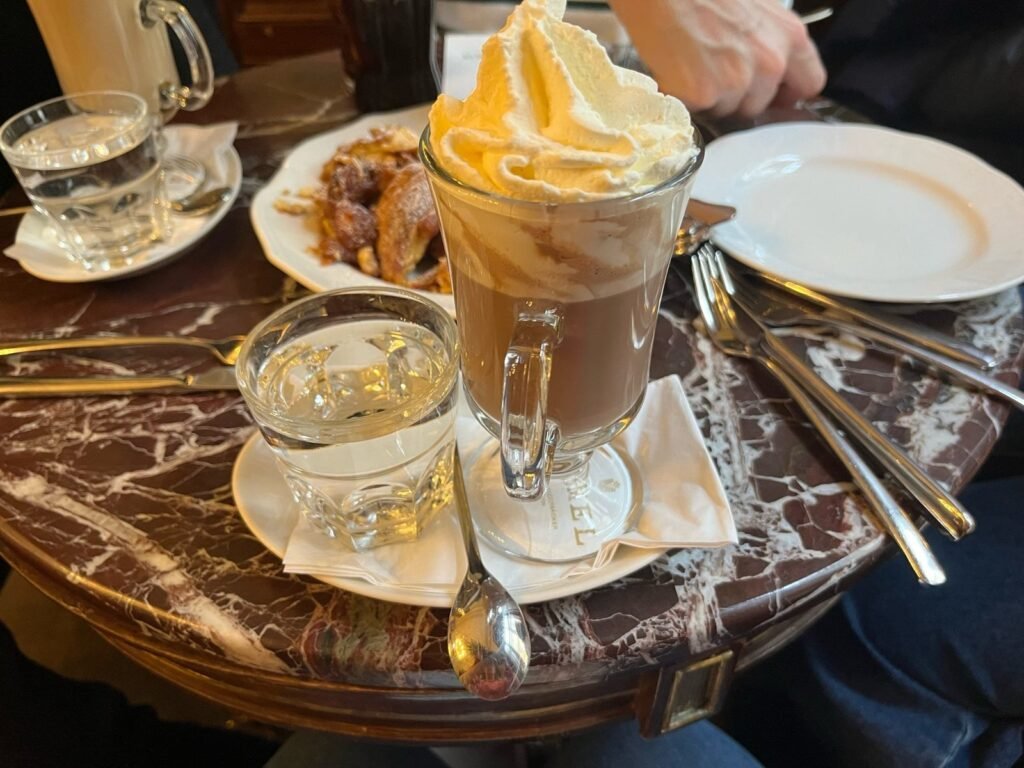
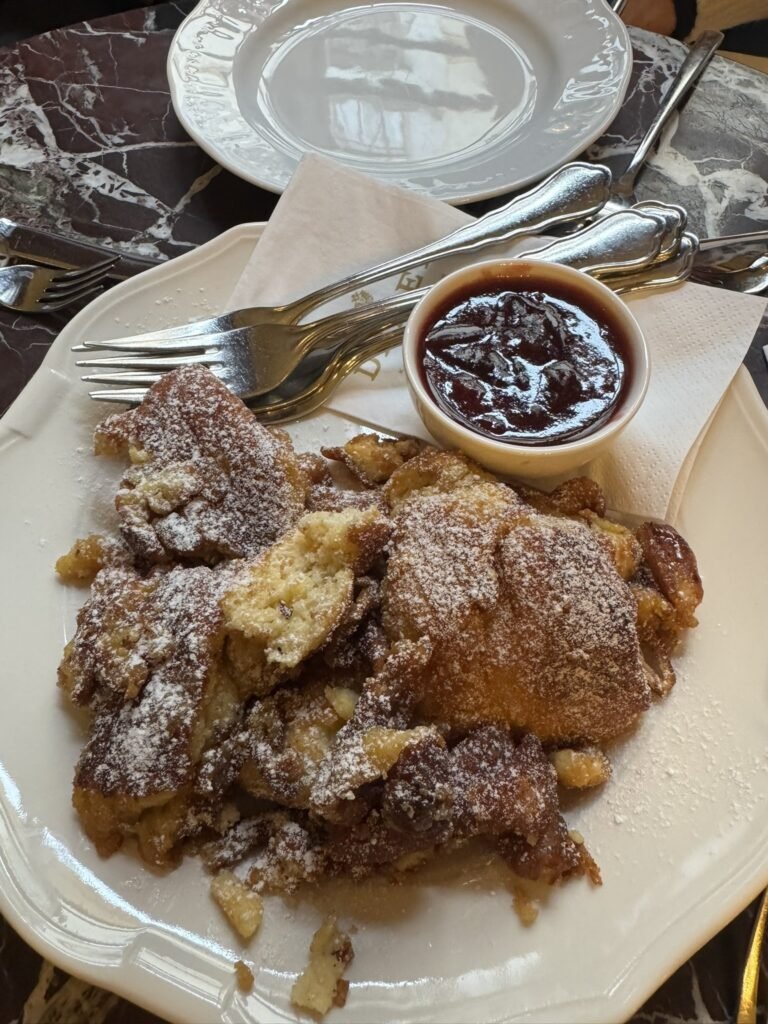
Our first stop was Café Demel, where we went straight for the “scrambled pancakes” (Kaiserschmarrn), and we also loved Café Gerstner. The pastries, the coffees, all of it. And the Mozart hot chocolate? It was so good that a couple of us went back to the States, bought Mozart Liqueur and made it our signature holiday drink for the season.
Vienna has completely locked in Christmas market culture. We visited:
Honestly, I didn’t have a favorite Vienna market, and they were all very busy. Would I do Vienna as a day trip again? Absolutely. But next time, I would love to visit outside of Advent, without quite so many of our closest friends.
Trains in Europe are wonderful, but every country does things a little differently, which can feel confusing the first time. Here is what you need to know for Germany and Austria.
We rode ÖBB, Austria’s national railway, from Salzburg to Vienna and back, and it was easy and comfortable. For most travelers, this is where I would start.
Side note: Westbahn. On the Salzburg to Vienna line you will also see Westbahn (westbahn.at), a private company running its own trains on the same route. It can be a budget-friendly option, but it arrives at Wien Westbahnhof (not the main station), and its tickets are NOT interchangeable with ÖBB or DB tickets (or Eurail passes). Make sure you board the train that matches your ticket.
Always check the station name. Big cities have more than one, and “Hbf” (Hauptbahnhof) means the main station. Buy your ticket online, keep it on your phone, and screenshot it in case your signal drops.
For a Vienna day trip: With an early train out and the late train back like we did, you get about 10 hours on the ground, but it goes fast. Pick your must-see markets and cafés ahead of time and go early, because Vienna’s markets get crowded by evening (we missed Karlsplatz entirely!).
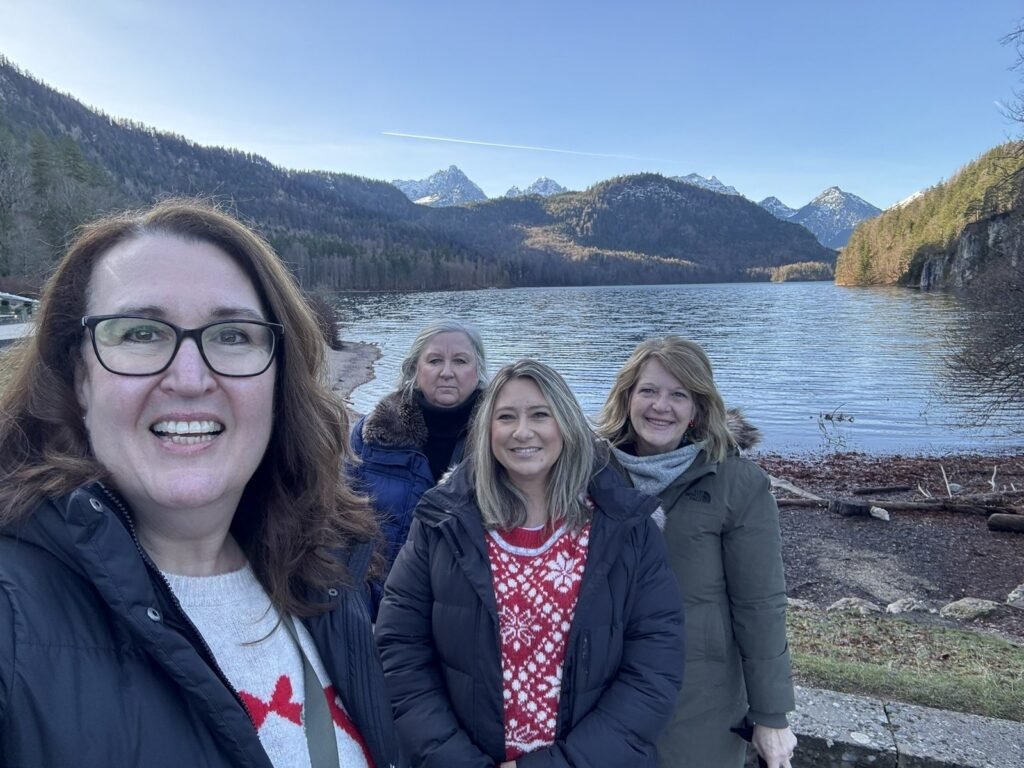
On our last full day, we drove out to the spectacular lakes region outside Salzburg and spent the day in Strobl and around Lake Wolfgangsee. The scenery is breathtaking. Mist was hanging over the water in the morning, and then the sun came out over the mountains. The towns and markets were absolutely charming.
Along with Hellbrunn, the Wolfgangsee markets were my very favorite of the entire trip, with Strobl one of my starred picks. Just like Hellbrunn, they felt off the beaten path and far less crowded than all the others, and that is exactly what made them so special. Add in that lake and those mountains, and it was pure Christmas magic.
One of the photos I keep going back to is a little chalkboard we spotted that said, “The world is a book and those who do not travel read only a page.” Couldn’t have said it better myself.
On our final morning, we headed back to Munich for our flight home: tired, full and very happy, with stuffed bellies and stuffed luggage.
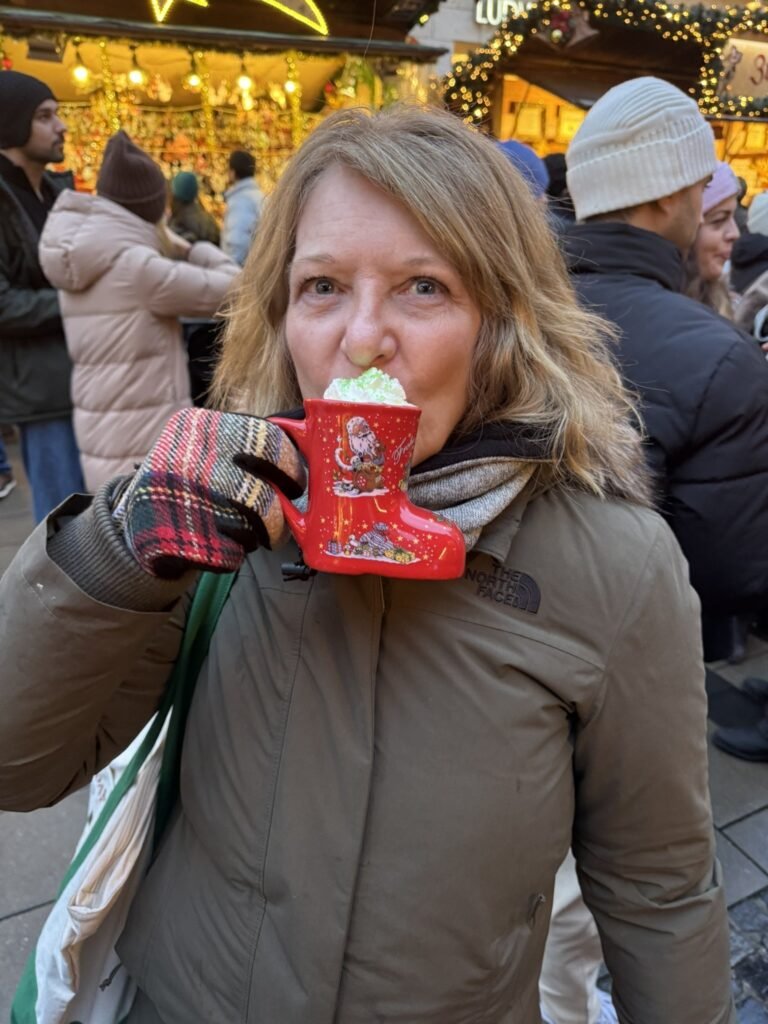
The glühwein was amazing everywhere, and we enjoyed it at almost every single market. I honestly could not pick a favorite, but the one served in a chalice at the medieval market in Munich was the most fun and so delicious.
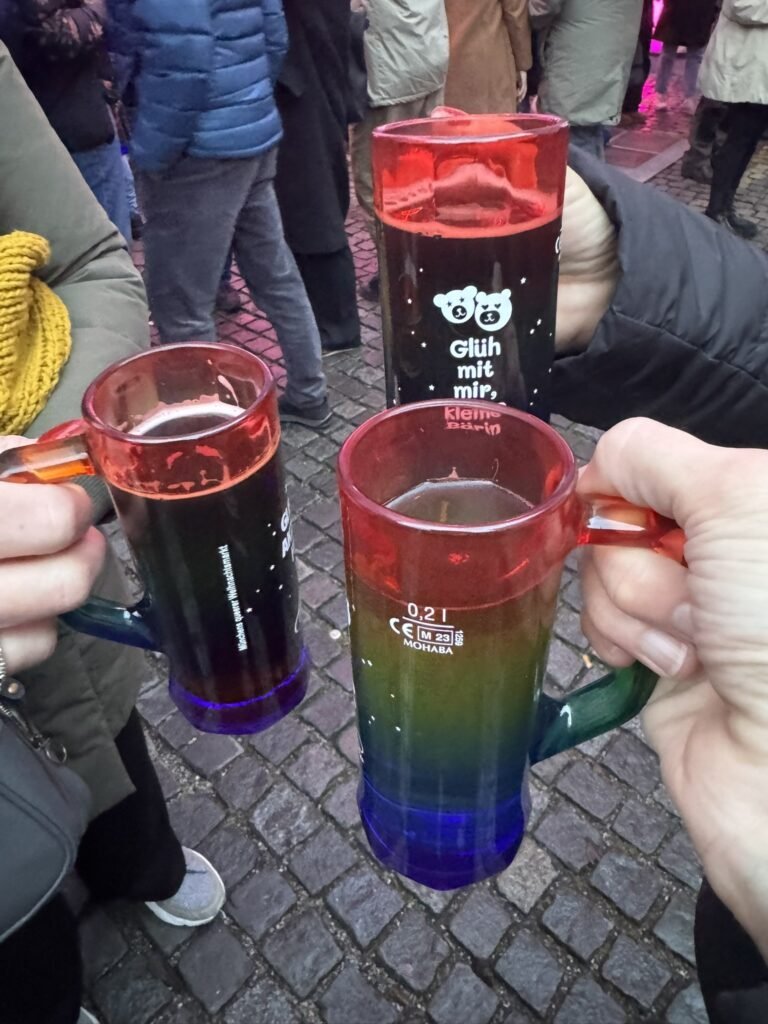
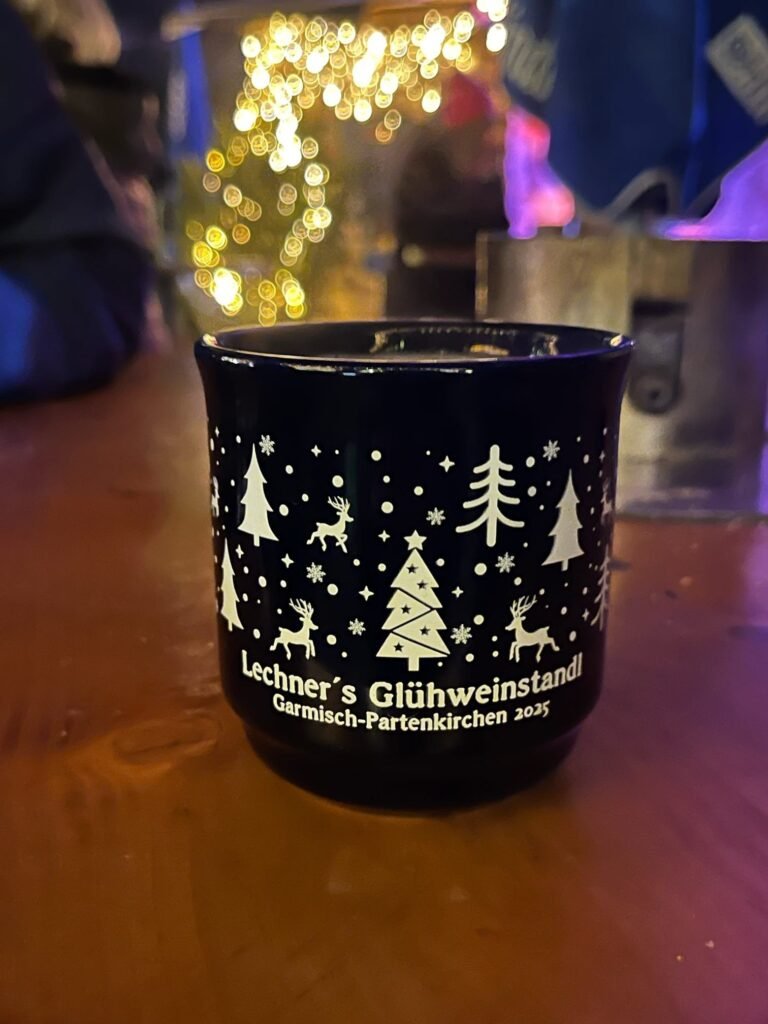
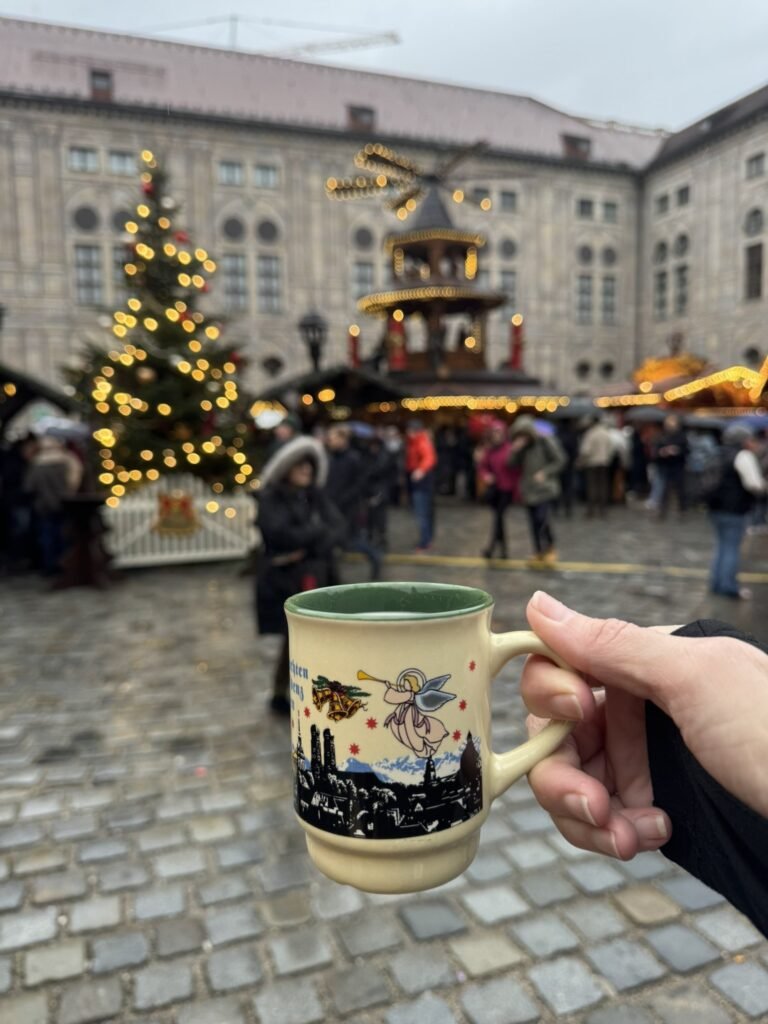
The best part? Collecting the mugs. Each market has its own mug, many of them stamped with the market’s name, so by the end of the trip we had a little collection that tells the story of where we have been. Every time I pull one out at home, I am right back there.
How the mug deposit works. When you buy a drink, you pay a small deposit (called “Pfand,” typically a few euros, but check at each stall) for the mug. Return it and you get your deposit back, or keep the mug as your souvenir. Stall owners expect lots of people to take them home, but if you are unsure, just ask. Some markets also sell their mugs outright.
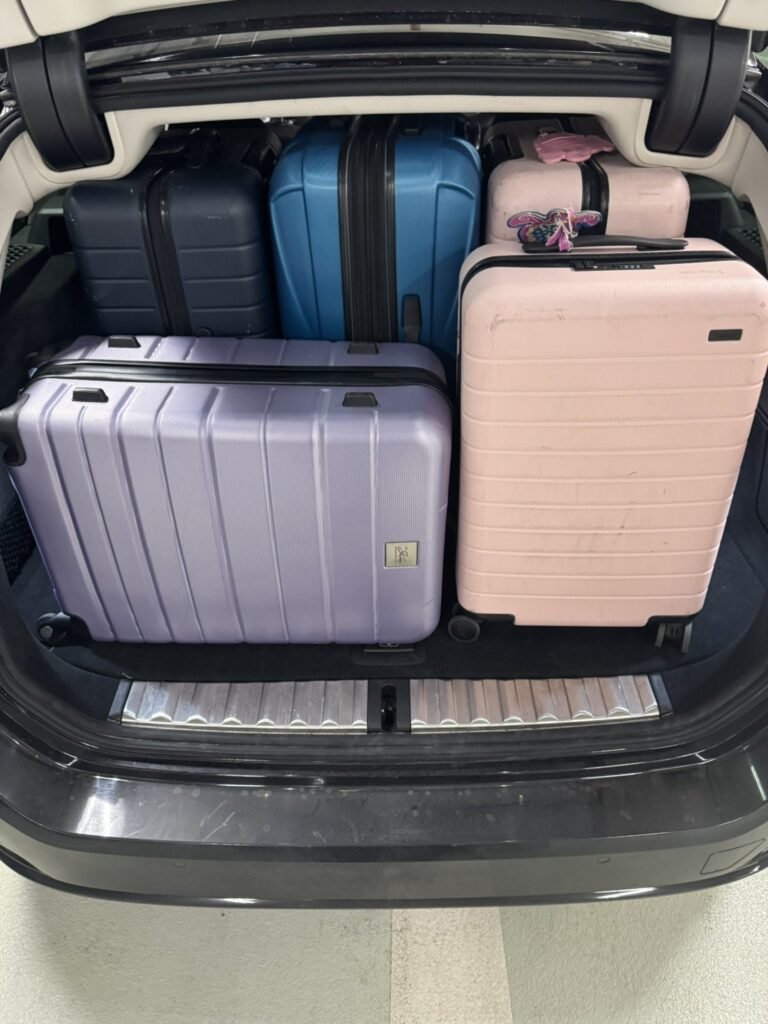
Pack an empty suitcase! We brought an extra suitcase plus bubble wrap, packing tape and scissors so we could collect and protect our mugs and bring them home in one piece. (We divided up the supply list, too: I brought the bubble wrap and tape, Ann brought paper towels and Libby brought baby wipes for sticky glühwein fingers.) Put the scissors in your checked bag, not your carry-on.
We went right after Thanksgiving, in early December, expecting smaller crowds. Not so much! Every market we visited got incredibly crowded as the evening went on. My honest advice: shop and browse in the late morning or afternoon, when it is easier to move around and talk to the vendors, and then stay for the lights at dusk if you want that magical glow. Just know the evenings will be shoulder to shoulder.
Better yet, seek out the smaller markets. My two favorites of the whole trip, Hellbrunn and the Lake Wolfgang markets, were off the beaten path and far less crowded than all the others, and that is exactly why we loved them. The big city markets are worth seeing, but the smaller ones are where you can really slow down and soak it all in.
December weather in Bavaria and Austria was more temperate than I expected. We had everything from rain in Munich to clear skies in the mid-50s at Dachau to misty evenings in Regensburg and sunny 45 to 50 degree days around Salzburg. Layers are necessary, because you will go from chilly outdoor markets to warm cafés and back again all day long. Comfortable, waterproof shoes are a must, since you will be on your feet on cobblestones for hours.
What I packed
As an Amazon Associate I earn from qualifying purchases.
Bring that empty suitcase, plus bubble wrap, tape and scissors. You will thank me when your mugs and ornaments come home in one piece. Make a list of who you are shopping for, too. A couple of friends at home asked me for Christmas ornaments, and having that list helped keep me (somewhat) on budget.
We also packed reusable canvas tote bags for market shopping, which made it so much easier to carry ornaments and other finds from stall to stall.
Renting a car let us fit in places like Rosenheim, Oberammergau, Garmisch and the Lake Wolfgang villages, which turned out to be some of our favorite stops. We rented a standard-size car with unlimited mileage, insurance and roadside assistance, and splitting it four ways made it a great value. Rental prices fluctuate a lot by season and by how far ahead you book, so shop around and book early for December. A few things to know:
St. Peter for dinner, the Sound of Music tour and the Thurn und Taxis market (ticketed) are all worth planning in advance. December is busy.
I didn’t use these on this trip, but I highly recommend both for travel in Europe:
Munich
1. Sendlinger Tor Market
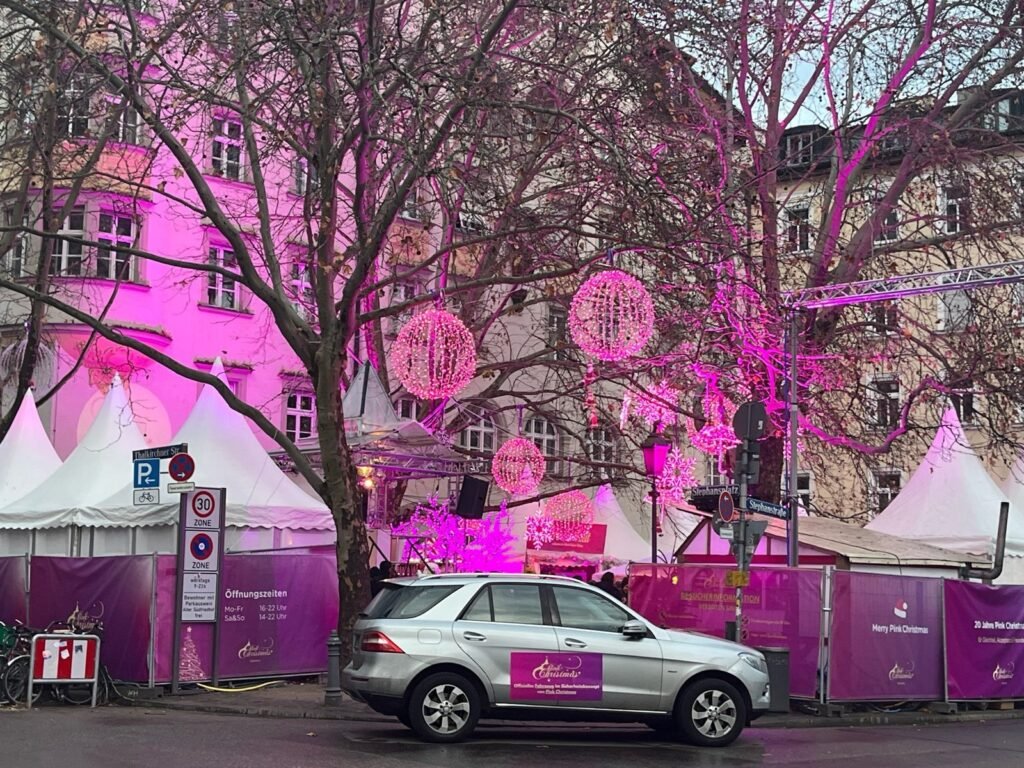
2. The Pink Market
3. Flaming Cauldron Market
4. Winterzauber auf dem Viktualienmarkt
5. Eiszauber (skating rink)
6. Wittelsbacherplatz Medieval Market
7. Residenz Market ⭐
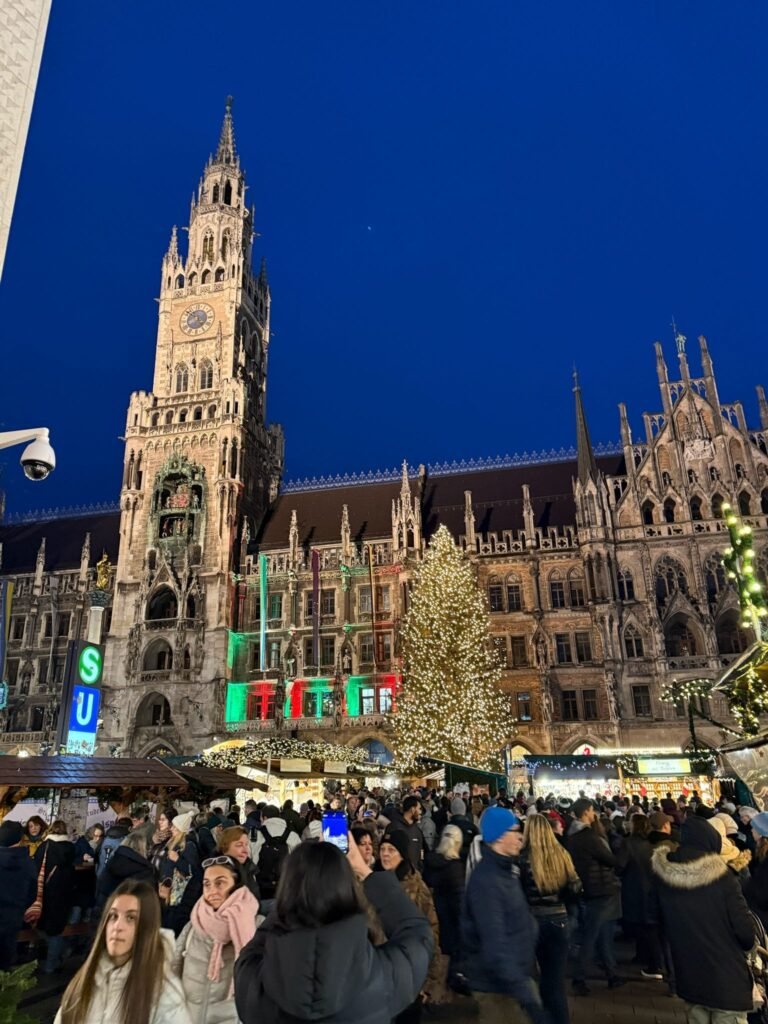
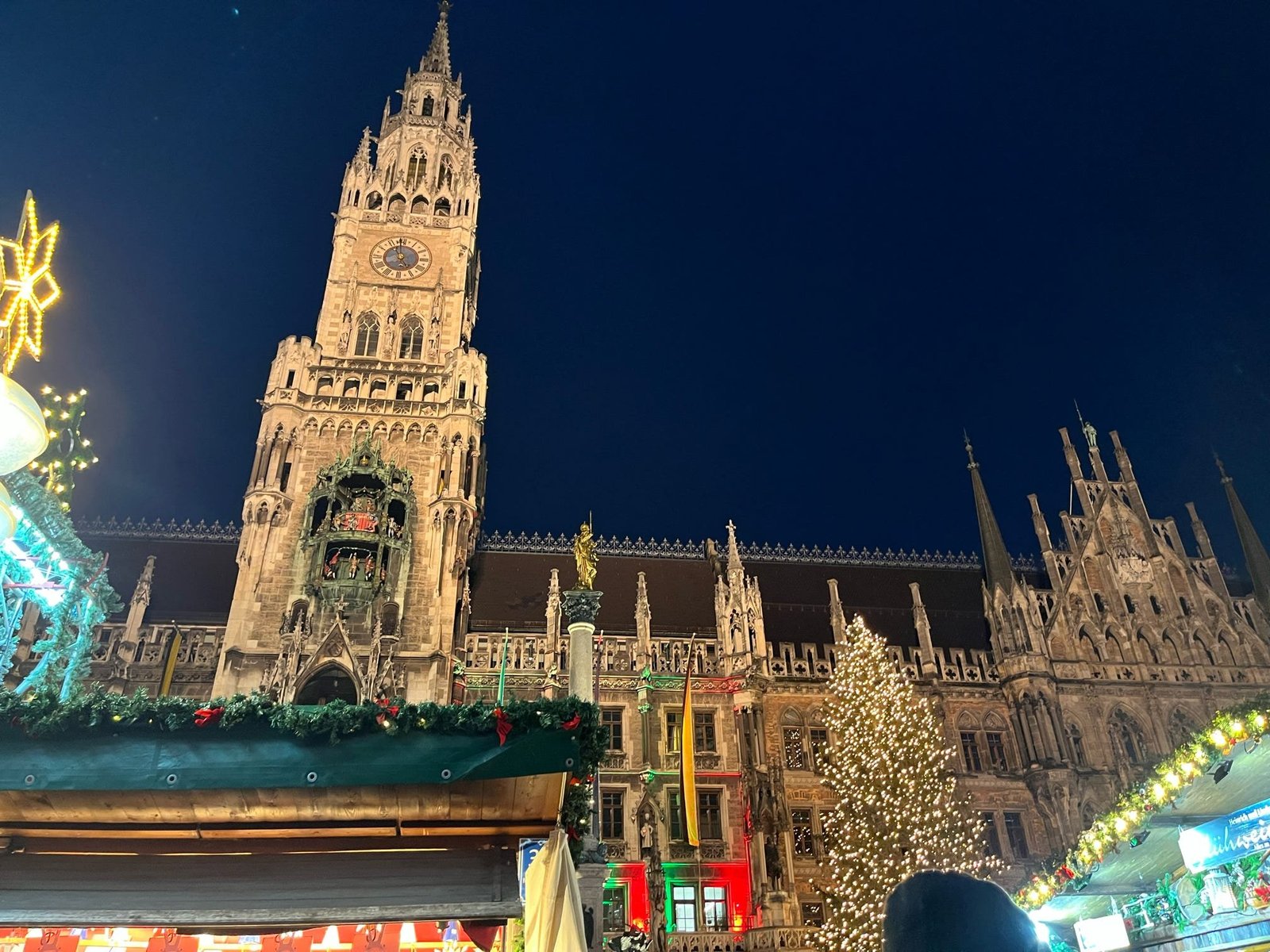
8. Marienplatz Christkindlmarkt
9. Tollwood Winterfest
Bavaria Day Trips
10. Romantic Christmas Market at Schloss Thurn und Taxis, Regensburg ⭐
11. Garmisch
12. Rosenheim
Salzburg
13. Mirabellplatz
14. Hellbrunn Palace ⭐
15. Salzburg Christkindlmarkt (Cathedral Square)
Vienna
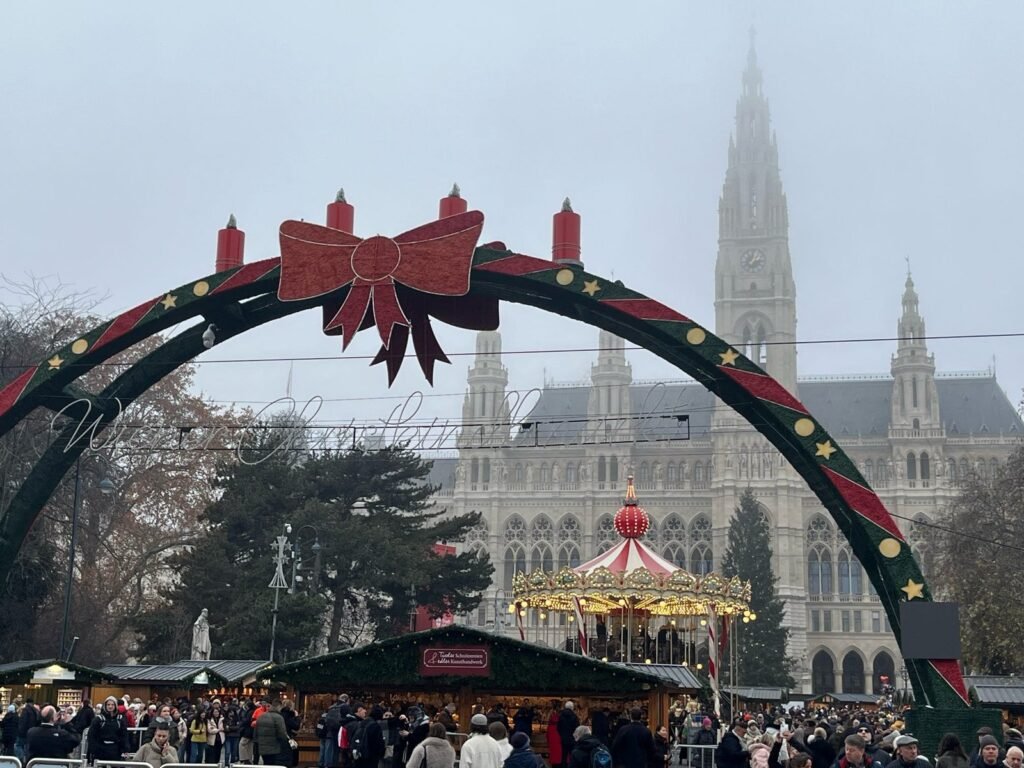
16. Wiener Christkindlmarkt at Rathausplatz
17. Freyung
18. Am Hof
19. Stephansplatz
20. Karlsplatz (we got there too late!)
Lake Wolfgang
21. Strobl ⭐
22. Wolfgangsee
⭐ = my favorites
What I loved most about this trip wasn’t any single market. It was standing in a castle courtyard with my best friends, a warm mug in my hands, laughing until we cried on a Sound of Music bus, and sharing dinner at a 1,200-year-old table. These are the moments that make the middle chapter so rich.
We will never be as young as we are today. If a Christmas market trip has been living on your someday list, this is your sign. Grab a friend (or three), pack the empty suitcase and go. I would love to hear which ones you are dreaming about!
Start with my free Middle Chapter Trip Planner, and join my newsletter for more real-life tips from the road.
And if you would love a trip mapped out just for you, I create custom itineraries too.
Want more inspiration? Follow my European Christmas Markets board on Pinterest and save this post for later.
Have you been to the Christmas markets in Europe, or are they on your list? Tell me in the comments. I would love to hear which ones you are dreaming about!

Is a campervan in Norway worth it? My 5-day summer road trip from Tromsø to Å in Lofoten: where to stay, campgrounds, top stops and pro tips.